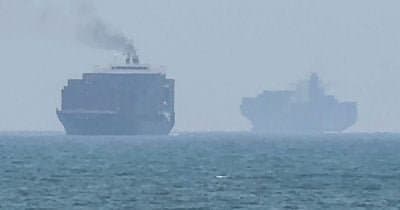
The ongoing conflict between the United States and Iran has reached a critical juncture, severely impacting shipping operations in the Strait of Hormuz. As of July 14, 2026, the situation has escalated significantly since hostilities began in February, leading to military blockades that have stalled vital maritime traffic.
With the Strait of Hormuz accounting for a substantial portion of the world's oil and LNG shipments, any disruption in this area sends ripples through global energy markets. Thousands of seafarers are currently stranded, and numerous ships have been evacuated amidst increasing military presence from both nations.
Current Market Sentiment and Predictions
Recent market analyses suggest a reduced likelihood of normalization in traffic through the Strait by the end of August 2026, with current predictions placing the chances at a mere 11.5% for a YES outcome. This reflects growing concerns that the military escalation and ongoing blockade will remain in effect for an extended period.
Market participants are closely monitoring the potential for any diplomatic breakthroughs. An official announcement from either Iranian or U.S. leaders could significantly alter perceptions and market reactions. For instance, a peace deal or a reopening of the strait could lead to a rapid increase in confidence regarding traffic normalization.
Key Factors Influencing the Situation
Investors should keep a keen eye on the following factors that could sway market conditions:
- Any further military actions or heightened rhetoric from Iran regarding the closure of the strait.
- Updates on the status of commercial traffic in the region and subsequent oil price fluctuations.
- Potential peace negotiations that could alter the current dynamics.
With the situation evolving rapidly, the strategic importance of the Strait of Hormuz cannot be overstated. The implications of ongoing tensions extend beyond immediate military concerns and into the space of global energy supply reliability.
This content is for informational purposes only and should not be considered financial advice.