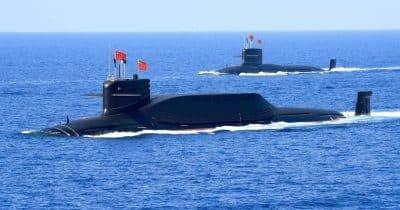
A recent incident in the Strait of Hormuz, where a tanker was set ablaze, marks a significant turning point in the ongoing crisis involving Iran, the United States, and Israel. Reported by the British military, this attack represents a dangerous escalation in a region crucial for global energy transit. This incident highlights the geopolitical realities impacting maritime security and raises vital concerns for global energy markets.
Understanding the Broader Implications
This tanker attack is not just an isolated event; it underscores the increasing volatility in the Strait of Hormuz a vital chokepoint where roughly 20% of the world's liquefied natural gas (LNG) passes through. The continued aggressive stance of Iran's Islamic Revolutionary Guard Corps (IRGC) has heightened market fears, suggesting a shift in the security landscape of shipping lanes.
- The attack could lead to decreased shipping traffic due to heightened risks.
- The market reflects fears that normal shipping operations may not resume by the end of July.
- The IRGC's tactics indicate a strategic attempt to disrupt trade routes more effectively.
Each of these points reveals how interconnected global energy pricing and geopolitical tensions can affect supply chains and market stability.
Looking Ahead: Key Indicators to Monitor
As we move forward, the situation in the Strait of Hormuz remains incredibly fluid. Stakeholders in global energy markets should be vigilant regarding potential developments that could further disrupt shipping operations. Specific indicators to watch include:
- Statements from the US Navy regarding military presence and security operations in the region.
- Actions taken by the Iranian military following incidents like this.
- Market responses to any signs of de-escalation or continued aggressiveness from Iran.
All these elements will play a critical role in shaping perceptions of maritime security, ultimately influencing energy prices and market behaviors.
This article is for informational purposes only and is not financial advice.