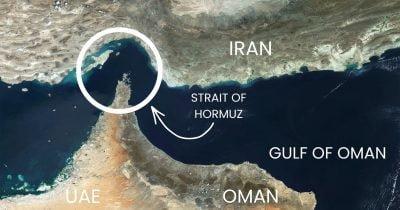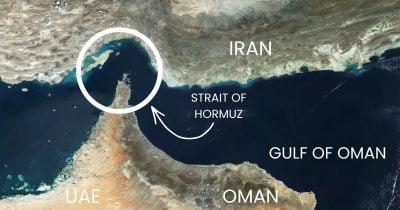
The announcement from Iran's Speaker of the Parliament, Mohammad Bagher Ghalibaf, regarding the closure of the Strait of Hormuz marks a significant escalation in ongoing tensions with the United States. This decision follows a period of heightened military activity, showcasing Iran's willingness to leverage critical maritime routes to assert its geopolitical stance.
The Strait of Hormuz is a vital conduit for global oil supply, through which approximately 20% of the world's crude oil passes. The reported shutdown raises concerns about potential disruptions to maritime traffic, as market participants react with caution. Current pricing trends indicate a growing skepticism among investors regarding the swift normalization of traffic through this crucial corridor.
As the situation unfolds, analysts are monitoring several key indicators that could shape market dynamics. Firstly, any formal negotiations or peace agreements between the U.S. and Iran will play a crucial role in determining future investor sentiment. A signed peace deal could lead to a market rally, while further military escalations or additional assertive statements from Iranian officials could exacerbate current market volatility.
Moreover, the ongoing closure of the strait not only affects oil prices but reverberates through the cryptocurrency market, as geopolitical tensions often drive waves of uncertainty. For example, past instances of conflict in the region have been linked to fluctuations in Bitcoin and broader crypto market trends. The implications of the current geopolitical climate could resonate well beyond traditional financial markets.
In conclusion, the developments surrounding the Strait of Hormuz serve as a reminder of the intricate connections between geopolitical stability and market health. As investors navigate this complex landscape, they will need to remain vigilant and adaptable to rapidly changing conditions. The tracking of vessel movements through the strait will be a critical gauge for understanding the evolving situation.
This material is informational and should not be considered financial advice.