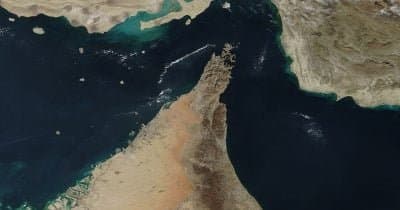
The recent surge in oil prices is a direct response to heightened geopolitical tensions following U.S. military strikes on Iran. This escalation significantly affects the global oil market, particularly as the Strait of Hormuz, a crucial transit route for oil, faces increased risks of disruption. The current price of Brent crude, hovering around $76.80 per barrel, reflects the market's anxiety over potential supply interruptions. Analysts are interpreting these developments with a cautious optimism, suggesting a ‘glass half-full’ perspective while acknowledging the risks involved.
Market behavior indicates a growing consensus that oil prices may reach new all-time highs by the end of September. Current pricing trends for West Texas Intermediate (WTI) crude suggest a potential spike to $130 per barrel within July, driven by fears stemming from the ongoing conflict. Such a rise would not only impact the immediate market but could also reshape global energy dynamics as countries adjust their strategies in response to fluctuating oil availability.
As the situation in the Strait of Hormuz remains volatile, the repercussions extend beyond just oil prices. The U.S. naval blockade and the uncertainty surrounding the reopening of this vital passage introduce a geopolitical risk premium into the cost of oil, contributing to market fluctuations. Key stakeholders, including OPEC and the International Energy Agency, are likely to play a significant role in shaping future market perceptions and pricing strategies.
Investors and market observers should closely monitor upcoming developments in U.S.-Iran relations, especially any announcements related to the Strait's status. Any shifts in U.S. foreign policy or further military actions could drastically alter the current landscape, influencing supply dynamics and pricing in the oil market. The implications of these geopolitical tensions remind us of the intricate connections between global politics and market behaviors, highlighting the necessity for vigilance in investment strategies.
This material is informational and should not be considered financial advice.