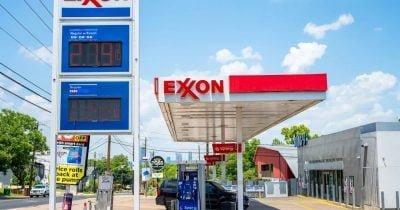
The discussion around the Securities and Exchange Commission's (SEC) proposal to allow optional semiannual reporting has gained traction recently, especially following Exxon Mobil's endorsement. This support from a leading player in the energy sector not only underscores the potential shift in regulatory frameworks but also raises significant questions regarding transparency and investor protection in public markets.
Understanding the Proposed Changes
In June 2026, Exxon Mobil's CFO, Neil Hansen, submitted an 11-page letter backing the SEC's proposal, which suggests that companies could replace the mandatory quarterly 10-Q filings with optional semiannual reports through a new 10-S form. While companies opting for the semiannual schedule would still be able to provide abbreviated updates via an 8-K item, the essence of the proposal revolves around reducing the perceived redundancy inherent in current quarterly disclosures. Hansen has articulated that the existing quarterly reporting may lead to unnecessary bureaucratic repetition, as many disclosures overlap with information already communicated throughout the quarter.
Concerns and Counterarguments
However, the proposal has not been universally embraced. An SEC investor advisory panel voiced their opposition early in June 2026, highlighting that quarterly reporting enforces a discipline of accountability. Regular disclosures compel management to evaluate performance rigorously, providing shareholders with consistent insights into company health. The concern is that transitioning to a semiannual model may create a lag in accountability, leaving investors in the dark about business performance during critical periods.
This viewpoint emphasizes the timing asymmetry in disclosures: while insiders have real-time knowledge of company performance, a shift in reporting cadence could exacerbate the information gap between management and public shareholders. Loosening the reporting frequency may inadvertently shield companies from immediate scrutiny, raising alarms among investors about their ability to respond to potential downturns.
The Intersection with Tokenized Assets
Interestingly, the discourse surrounding semiannual reporting gains additional relevance in the context of technological advancements, such as blockchain and tokenized equities. For instance, ExxonMobil shares are already available on the Kraken exchange as XOMx, representing a tokenized asset collateralized by actual shares. This integration of digital assets within traditional frameworks reflects a budding relationship between conventional finance and emerging technologies.
As Exxon Mobil has previously co-founded the Blockchain for Energy consortium, it indicates their forward-thinking approach to integrating innovative technology with operational practices. This merger of blockchain utility and regulatory changes could present new avenues for enhancing transparency and accountability in corporate reporting.
In summary, while the potential shift to semiannual reporting might streamline processes for companies like Exxon Mobil, it poses significant questions surrounding investor transparency and accountability. The ongoing dialogue, bolstered by feedback from stakeholders, will ultimately shape the outcome of this regulatory proposal, potentially redefining public company standards in the future.
This article is for informational purposes only and is not financial advice.