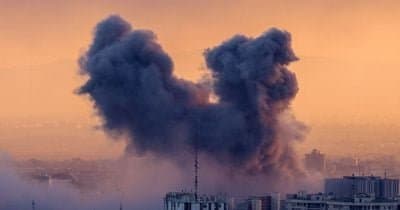
In a major shift in Gulf regional dynamics, Bahrain and Kuwait launched direct military strikes against Iranian positions in July 2026. This marks the first time either country has enacted offensive military action targeting Iran amid the ongoing hostilities.
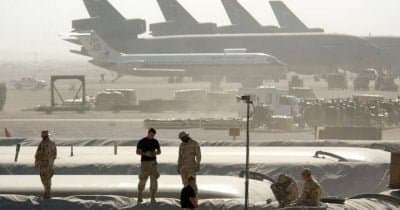
According to The Wall Street Journal, these operations represent a dramatic break from the long-standing proxy conflict strategy that has shaped tensions in the area for years. Both Gulf nations decided to respond after enduring repeated missile and drone attacks from Iran, which targeted their territories due to the presence of US military forces.
Strategic Impact and Market Concerns
Tehran has consistently pressured Bahrain and Kuwait by attacking bases hosting American troops, aiming to disrupt US alliances. However, the retaliation from Manama and Kuwait City seems to have solidified rather than weakened their commitment to US partnerships, challenging Iran’s expectations.
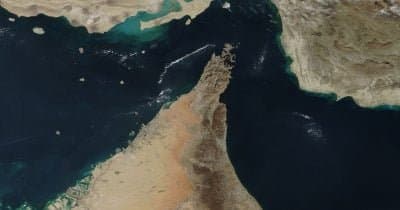
The escalation raises stakes for global energy markets. The Gulf region is a critical hub for oil exports, with the Strait of Hormuz channeling a significant portion of the world's supply. Direct clashes increase the risk premium for oil traders concerned about potential disruptions to this vital route.
These recent strikes were reportedly carried out earlier in July but kept under wraps while both governments monitored Iran’s response and managed diplomatic fallout internally.