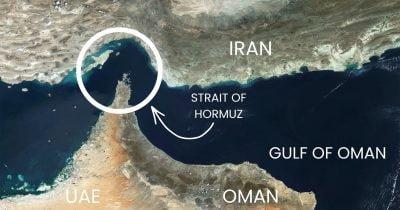
The recent U.S. military strikes on 140 Iranian targets represent a significant escalation in the ongoing conflict between the United States and Iran. Following an attack on a commercial vessel in the strategically crucial Strait of Hormuz, President Donald Trump ordered these retaliatory actions to weaken Iran's military capabilities. This move not only serves as a response to Iran's aggression but also highlights the increasing volatility in the region.
These strikes are part of a broader pattern of U.S. military engagement, marking the third major round of retaliatory actions amidst a backdrop of heightened tensions. The escalation in hostilities raises critical questions about the likelihood of a full-scale conflict. Investors and market observers are particularly sensitive to these developments, as geopolitical tensions have profound implications for global markets.
The Market's Response and Future Predictions
Market analysts have noted a notable uptick in the perceived probability of a U.S. invasion of Iran, with the likelihood increasing from 16% to 17.5% in recent predictive markets. This shift indicates that financial markets are beginning to factor in the potential for a more aggressive military stance from the United States. Investors are likely to be on edge as they monitor any further developments, anticipating that any significant military action could trigger an even greater response.
Key Indicators to Watch
As the situation unfolds, several indicators will be critical for investors and policymakers alike:
- Ceasefire violations by either party
- U.S. troop movements in the region
- Public statements from key political figures, including President Trump and Defense Secretary Pete Hegseth
Any signs of diplomatic efforts or attempts at de-escalation could dramatically alter market sentiment and reduce the perceived likelihood of an invasion. Conversely, continued military provocations might further entrench the expectation of direct conflict.
In summary, the increasing military engagement and its market implications underscore the significance of these developments. The geopolitical landscape remains fraught with uncertainty, and investors must navigate this complexity with caution.
This article is for informational purposes only and should not be considered financial advice.