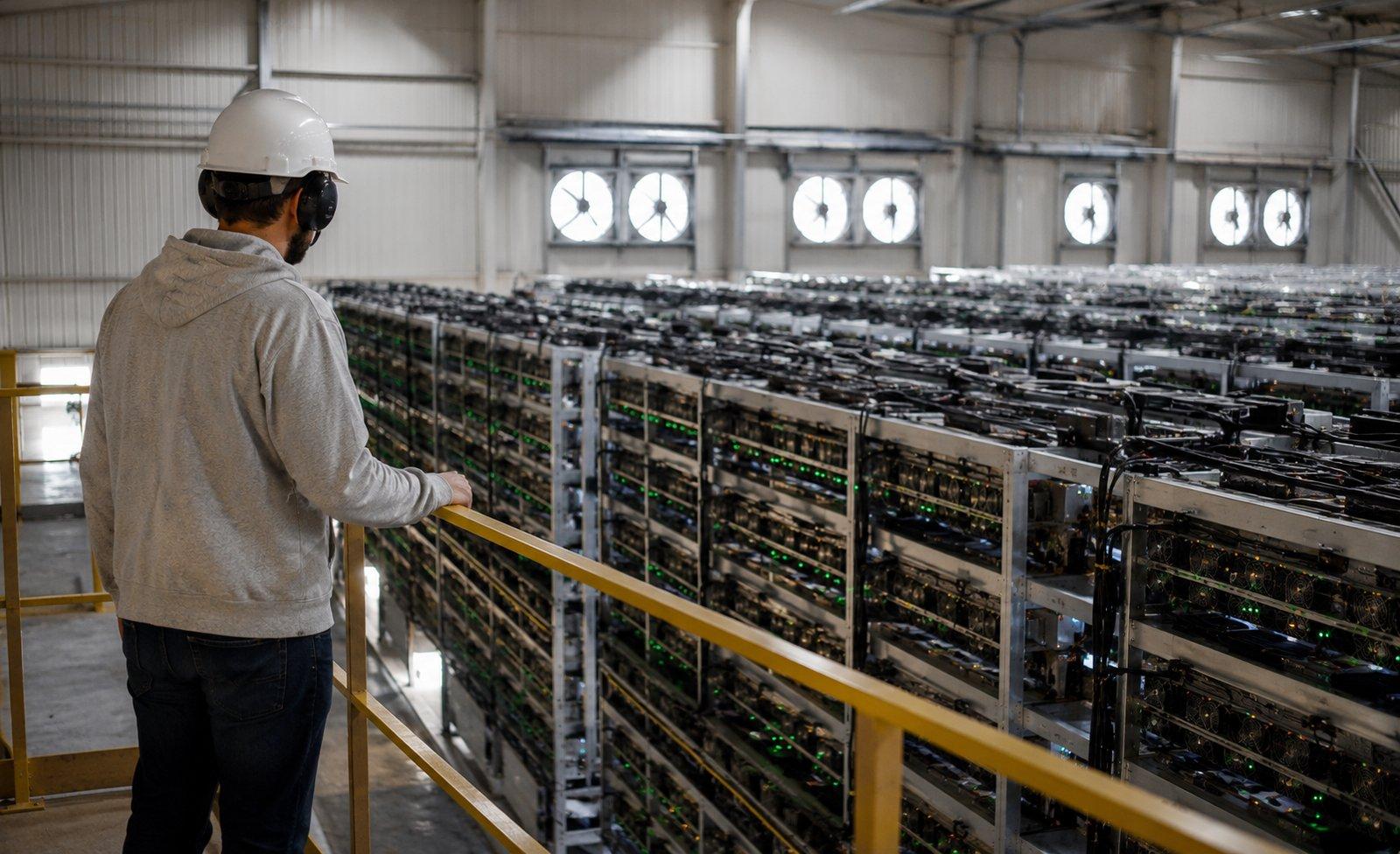
The recent strategic lease agreement between TeraWulf and Anthropic, valued at $19 billion, marks a significant moment for the crypto mining sector, particularly for Bitcoin mining-related stocks. This partnership indicates a growing intersection of artificial intelligence and blockchain technologies, suggesting a potential shift in how mining operations can leverage AI for optimization and efficiency.
Implications for Mining Operations
By securing this extensive lease, TeraWulf is poised to enhance its operational capacity significantly. The deal suggests not just an increase in mining rigs but also the integration of advanced technologies that could lead to high-performance computing environments. As the mining infrastructure grows, it could propel TeraWulf to a competitive position in a landscape that has become increasingly crowded.
The AI Dimension
Integrating AI into mining operations can optimize power consumption and improve overall mining efficiency. Companies that adopt this model may outperform traditional miners, thereby redefining the playing field. AI's role in enhancing predictive analytics, resource allocation, and equipment maintenance is crucial, and TeraWulf could set a template that others in the industry may follow.
Market Reactions and Investor Sentiment
The response from the stock market has been favorable, with Bitcoin mining stocks witnessing a surge post-announcement, reflecting optimism among investors. This uptick can be attributed to the perception that AI-enhanced mining operations will likely lead to higher profitability and sustainability in a market that is often plagued by volatility.
Investors are keenly observing how TeraWulf’s approach may influence market dynamics moving forward. As the narrative around energy-efficient and technologically advanced mining continues to gain traction, miners who fail to innovate may find themselves at a disadvantage.
Future Considerations
The TeraWulf-Anthropic deal could herald a new era for Bitcoin mining stocks, characterized by a blend of AI and blockchain technologies. If successful, this transformation could invite further investments into the mining sector, increasing its attractiveness to traditional investors. Furthermore, it could lead to heightened regulatory scrutiny as governments may seek to set benchmarks for energy usage and efficiency metrics within the mining industry.
Overall, the implications of this agreement extend beyond immediate stock price fluctuations and suggest a longer-term evolution in how mining operations will function in a tech-centric future.