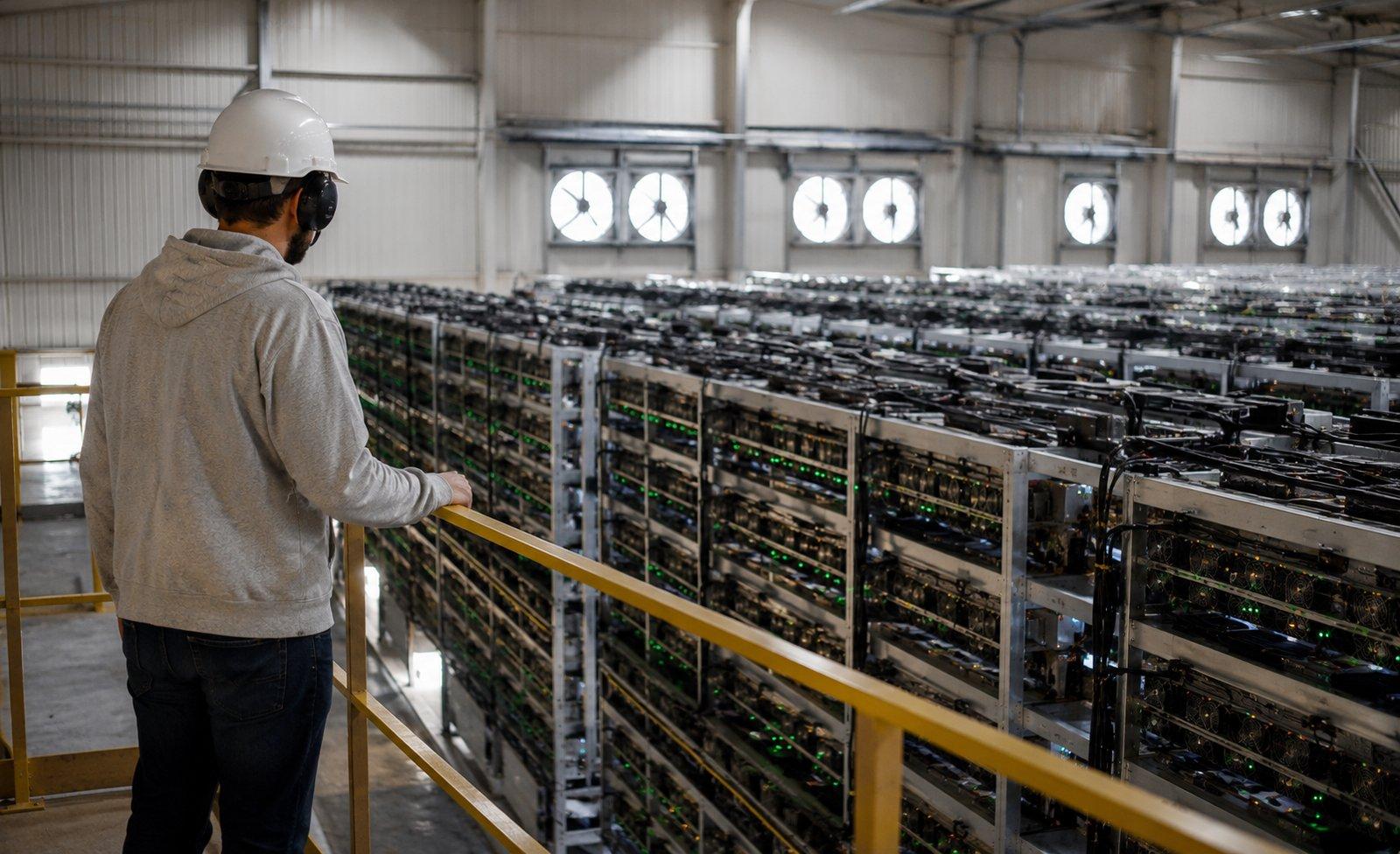
The recent milestone achieved by GoMining, which successfully mined the first Bitcoin block utilizing the Stratum V2 protocol with the DMND mining pool, marks a significant turning point in the landscape of Bitcoin mining. This event highlights the transition from traditional mining pool dominance to a more decentralized model where miners regain control over block creation.
Shifting Power Dynamics in Mining
The Stratum V2 protocol is designed to enable miners not only to participate in pooled mining but also to select block transactions autonomously. This contrasts sharply with the historically prevalent model, where mining pools have had the authority to determine which transactions to include in blocks. GoMining's achievement exemplifies a practical application of this protocol's capabilities, allowing miners to construct their own block templates through the Job Declaration feature.
Implications for the Industry
The implications of this shift are profound. By empowering miners to influence the contents of the blocks they contribute to, Stratum V2 could lead to increased miner autonomy and could encourage more miners to join pools. This autonomy allows miners to integrate their own applications into the mining process, as demonstrated by the inclusion of transactions linked to GoMining’s GoBTC Pay, an instant Bitcoin payment protocol developed by the company.
- Greater flexibility in transaction selection
- Increased miner participation in decision-making
- Potential growth in mining pool membership
Mark Zalan, the CEO of GoMining, articulated this sentiment, stating, “For years, mining pools have largely determined which transactions are included in Bitcoin blocks. By creating our own block template and including GoBTC Pay transactions, we’re demonstrating one of the practical capabilities that Stratum V2 makes possible.” The practical execution of this technology may well catalyze broader adoption throughout the Bitcoin mining ecosystem.
The Future of Mining Autonomy
As Stratum V2 continues to make headway in live mining environments, it suggests a future where miners can leverage the advantages of pooled resources while retaining significant control over how blocks are constructed. The success of this model in real-world applications may stimulate further innovations and enhance security and efficiency in Bitcoin mining. This evolution not only signifies a technological advancement but could also reshape market dynamics, influencing investor confidence and strategic decisions moving forward.