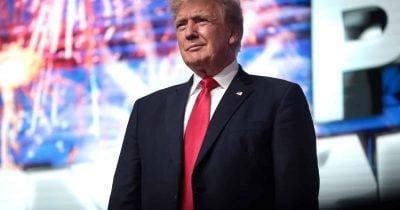
The recent increase in the likelihood of a U.S. blockade on Iran, spurred by President Trump's comments, presents a crucial turning point in geopolitical dynamics. The probability of a blockade announcement by July 31 has surged from 10% to 27%, reflecting heightened fears surrounding escalating U.S.-Iran tensions following the collapse of a ceasefire agreement earlier this year. This development signals a broader shift in market sentiment, hinting at potential new restrictions that may significantly affect Iran's economy.
Understanding the Implications of Increased Blockade Odds
The significance of this news lies in its potential impact on international trade and energy markets, particularly through the Strait of Hormuz, a vital artery for global oil supply. The recent spike in pricing for a U.S. blockade indicates that investors are increasingly factoring in more aggressive actions from the U.S. government.
- Current probability of a blockade announcement by July 31: 27%
- Probability for a blockade by December 31: 46.5%
- Recent comments by President Trump have shifted market perceptions considerably.
This heightened expectation aligns with recent military maneuvers from U.S. Central Command, which may be perceived as attempts to pressure Iran economically and militarily.
Key Factors to Monitor Going Forward
As the situation develops, market observers and investors should keep a close eye on ongoing statements and actions from the U.S. administration. Any announcements regarding expanded military presence or diplomatic talks will be critical in shaping market expectations. Alternatives to blockades, such as renewed negotiations or concessions, could diffuse current tensions, but until concrete measures are articulated, speculation surrounding trade disruptions will likely continue.
Additionally, movements around the Strait of Hormuz will serve as an important indicator for potential escalation. Should military activities increase, it could severely impact oil prices and broader market stability.
This material is for informational purposes only and does not constitute financial advice.