Stablecoins have shifted from a niche crypto concept to the backbone for moving real-world money swiftly and transparently. This transformation is especially visible within The Open Network (TON) ecosystem, where Telegram’s involvement as the largest validator and its nearly one billion users highlight the scale of potential mass settlement.
While retail users enjoy peer-to-peer transactions natively on TON, institutional actors face a different challenge: bridging legacy finance with crypto rails through regulated gateways. SCRYPT, a Swiss-licensed digital asset platform, plays this key role as TON’s institutional stablecoin gateway.
The Gradual but Decisive Rise of Stablecoins
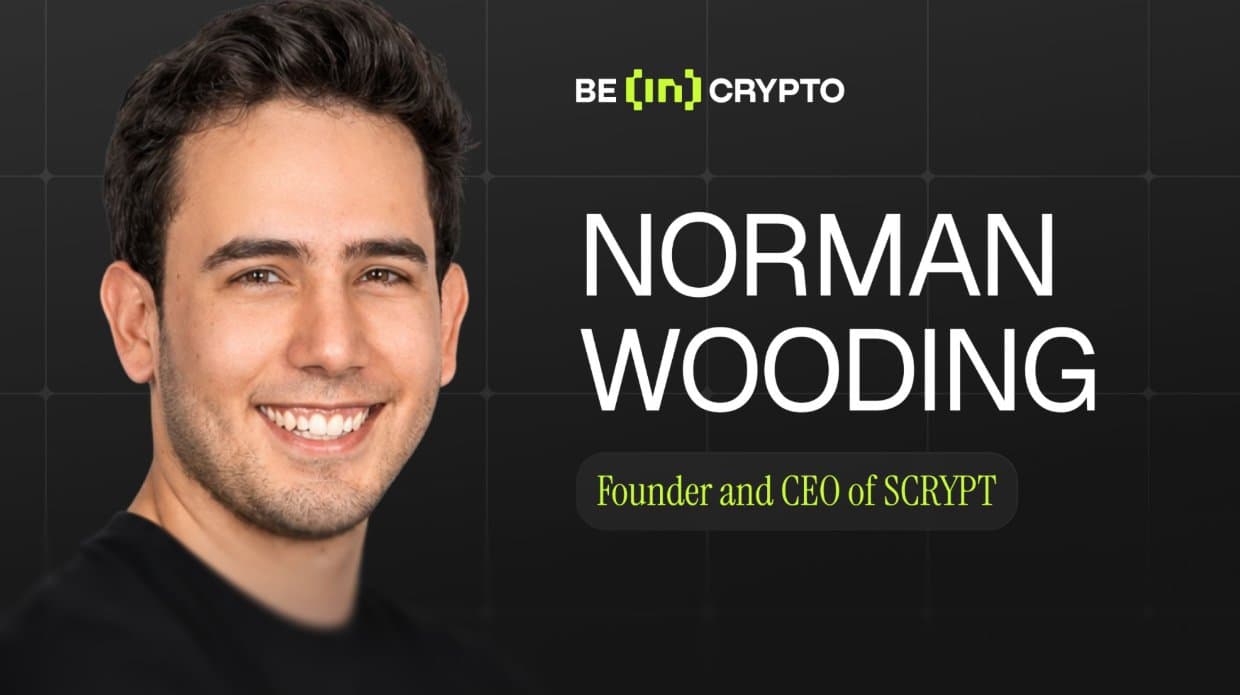
Norman Wooding, CEO of SCRYPT, notes that the surge in stablecoin activity was not a sudden trend but a steady accumulation that now accounts for about 80% of the platform’s processed volume. This dramatic year-on-year increase reflects a growing institutional appetite driven by efficiency needs corporate treasury management and cross-border remittances chief among them.
Wooding identifies 2023 as the tipping point when traditional financial incumbents began acknowledging the practicality of on-chain settlements. Without speculative hype, stablecoins prove their worth by enabling transfers of hundreds of millions within seconds, at a fraction of the cost charged by conventional systems. This offers users increased sovereignty, transparency, and auditable immutability core blockchain advantages realized in real time.
The friction in legacy correspondent banking is a major pain point fueling this shift. For example, a simple wire transfer from the UK to Brazil on a Friday afternoon involves opaque fees and unpredictable intermediaries, adding layers of cost and delay. Stablecoins sidestep this by operating on decentralized networks, eliminating intermediaries and enabling near-instant settlement.
This quiet revolution in payment infrastructure represents more than just a crypto innovation. It signals a potential redefinition of how money moves globally, with implications for corporate finance, cross-border commerce, and the role of banks themselves.
This material is informational and not financial advice.