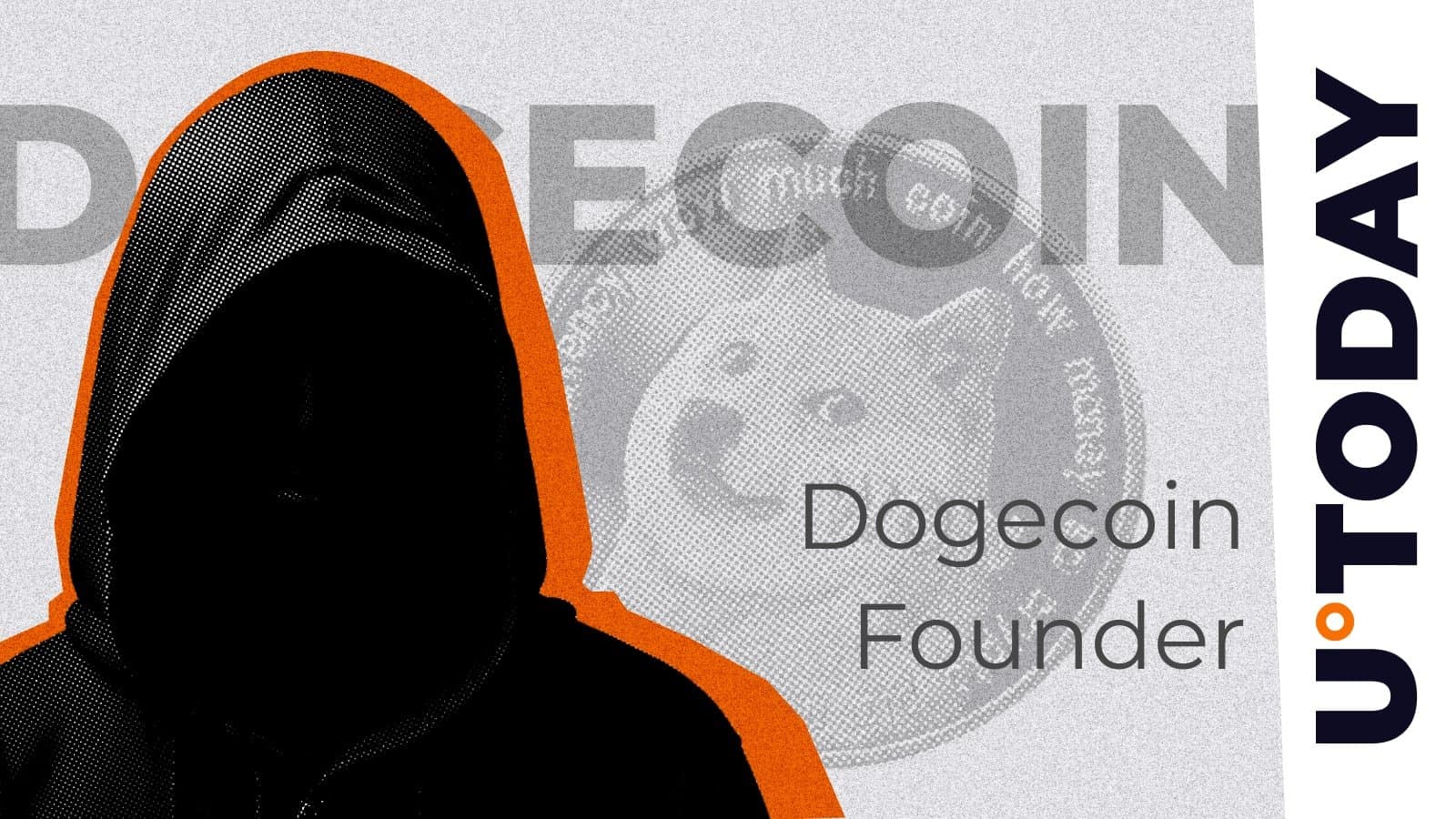
Billy Markus, co-founder of Dogecoin, voiced a firm stance against proposals to end merge mining for DOGE on July 20, 2026. Known by the pseudonym 'Shibetoshi Nakamoto' on X, Markus criticized the idea as ineffective and unnecessary, emphasizing that removing merge mining would solve no real problems.
Context of Merge Mining in Dogecoin
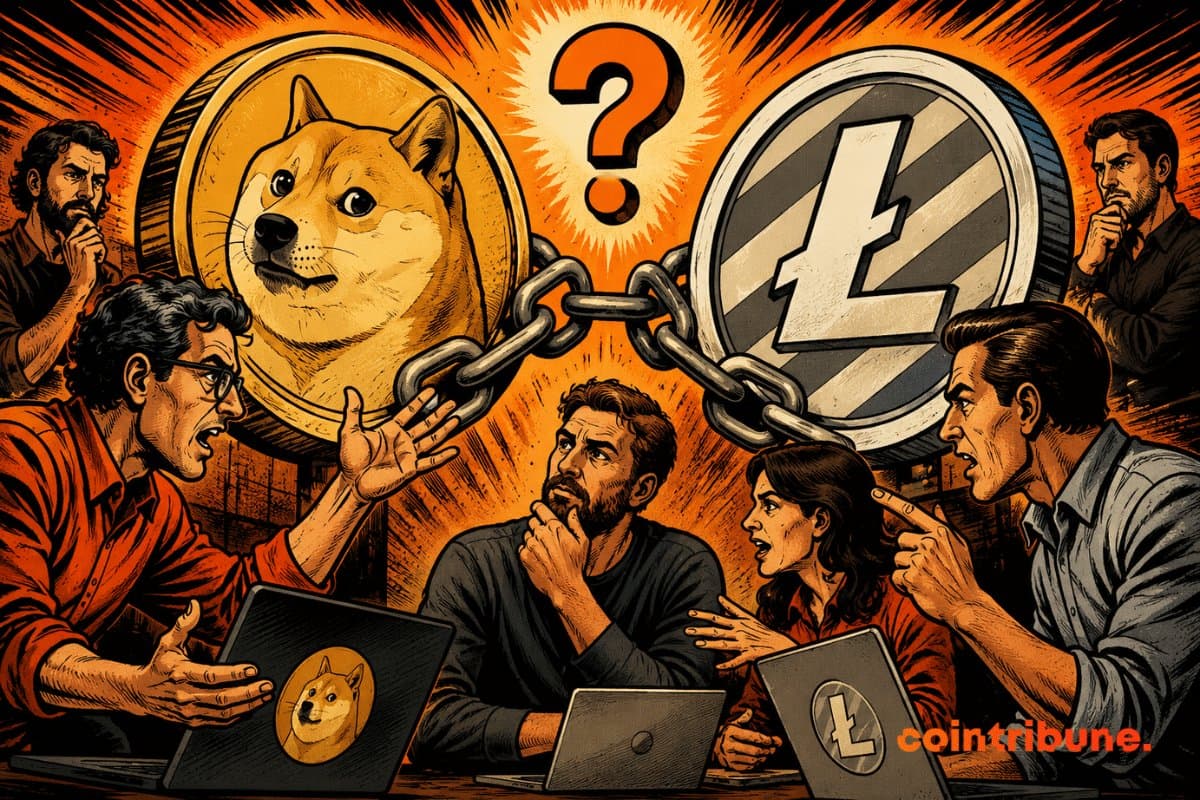
Merge mining, or Auxiliary Proof of Work (AuxPoW), enables miners to simultaneously mine multiple cryptocurrencies with the same computational effort. For Dogecoin, this has meant sharing hashpower primarily with Litecoin, making the mining process more efficient and profitable. Despite ongoing debates within the Dogecoin community about this mechanism, Markus, who has not been involved in Dogecoin’s development since 2014 and holds no investments in scrypt-based altcoins, argues against changing this system.
Dogecoin, launched in late 2013 by Markus and Jackson Palmer, originally relied on solo development until both stepped back in 2014. Since then, a core development team has maintained the project. The merge mining alliance with Litecoin remains one of the most significant partnerships among scrypt altcoins, influencing mining dynamics and network security.
Markus’s view comes from a position of neutrality, as he previously disclosed having sold all his cryptocurrency holdings, including 50 Bitcoin, 440 Litecoin, and 6 million Dogecoin, removing any personal financial bias from his opinion. His dismissal of ending merge mining as 'pointless' challenges some community members who see it as a potential improvement.
The debate touches on broader issues of mining economics, network decentralization, and security. Ending merge mining could disrupt established incentives and hashpower distribution, possibly leading to increased costs or reduced network robustness for Dogecoin. This discussion echoes wider concerns in crypto about balancing innovation and stability.
This material is informational and does not constitute financial advice.