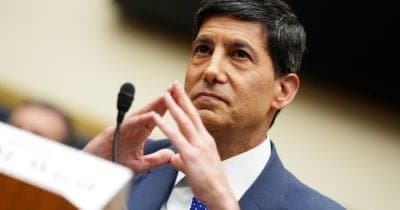
In a notable turn of events, Federal Reserve Chairman Kevin Warsh has made it clear that the central bank will not tolerate prolonged high inflation, marking a potentially aggressive shift in monetary policy. During his Congressional testimony, Warsh emphasized that current inflationary pressures are primarily a consequence of monetary policy choices, even as labor market conditions remain stable. This is significant given that key inflation metrics like the Consumer Price Index (CPI) and Core Personal Consumption Expenditures (PCE) remain stubbornly above the Fed's 2% target.
Implications of Warsh's Testimony
Warsh's firm stance could indicate a readiness to implement further rate hikes before the end of the year. With inflation metrics consistently undershooting the desired target, the Fed's board may feel pressured to act decisively. Market expectations have already begun to reflect a diminished likelihood of interest rate cuts in the near term, as traders adjust their models to align with the Fed's aggressive anti-inflation narrative.
Market Reactions and Future Outlook
The financial markets are keenly observing upcoming inflation data and Federal Reserve communications for clues about potential policy shifts. Any signs indicating that inflation is inching closer to the Fed's goal could spark discussions about rate cuts. Conversely, if inflation rates continue to remain elevated, it could solidify expectations for sustained or even increased interest rates. The forthcoming Federal Open Market Committee (FOMC) meetings are set to be crucial in shaping market views on future monetary policy actions.
With Warsh at the helm, the Fed's approach may steer the economy towards a more restrictive monetary environment, impacting investment strategies across various sectors. Investors may need to brace for a landscape that could see interest rates climbing back to levels not witnessed in recent years.
This material is for informational purposes only and should not be considered financial advice.