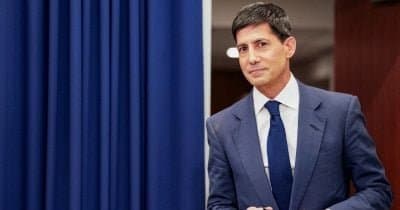
The upcoming congressional testimony of Kevin Warsh, the new Chair of the Federal Reserve, is poised to serve as a significant indicator of the Fed's future monetary policy direction. As inflation remains stubbornly high, fluctuating between 4.2% and 5.2%, and the labor market exhibits resilience with an average of 147,000 job gains per month, market participants are eagerly awaiting insights into Warsh's economic outlook.
Currently, the federal funds rate is held steady at 3.50% 3.75%, a position maintained since December 2025. However, projections suggest that the Fed is leaning towards a rate hike by the end of 2026, primarily due to ongoing inflationary pressures. This backdrop sets the stage for Warsh's testimony, which is likely to impact market strategies significantly, especially in relation to expectations for interest rates. The recent decrease in the likelihood of maintaining the current interest rates after the July meeting reflects this anticipation.
Market Reaction to Warsh's Economic Views
Market participants are closely monitoring Warsh's stance on the Fed's commitment to its 2% inflation target and whether he will signal a more cautious approach to rate hikes. Given the persistent inflation, any indication that Warsh intends to adopt a less aggressive rate hike strategy could lead to immediate shifts in market pricing. Investors are particularly interested in understanding how his views may affect upcoming meeting decisions and the broader economic landscape.
Potential Implications for Investors and the Economy
Warsh's testimony could ultimately reshape expectations surrounding the Fed's monetary policy. If he suggests a more dovish approach, it may alleviate some pressure on markets that have been bracing for aggressive rate hikes. This could lead to a temporary buoyancy in asset prices as investors recalibrate their strategies in response to potential changes in Fed policy. Conversely, a hawkish tone might reinforce fears of tighter monetary conditions, prompting a reevaluation of investment strategies.
In conclusion, Warsh's insights could reverberate through various market sectors, influencing both investor sentiment and economic forecasts. As we await his testimony, the focus will be on how his policies may align with the Fed's goals of stabilizing inflation and fostering economic growth.
This material is informational and should not be considered financial advice.