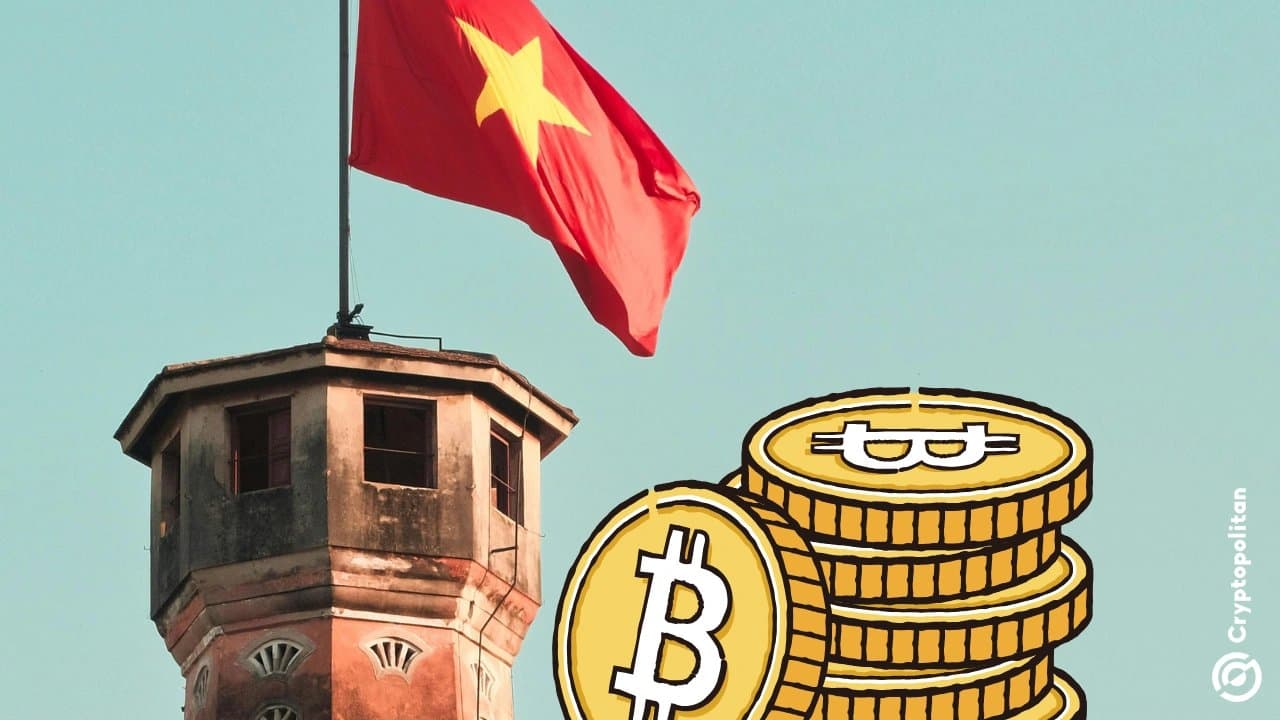
"A $1,900 fine may seem steep, but it signals Vietnam's growing resolve to control crypto trading," said a regional market analyst reacting to the government's latest move. Starting September 1, Vietnam will impose fines up to 50 million dong (approximately $1,900) on individual investors trading cryptocurrencies through platforms not licensed by the Ministry of Finance. This marks a significant shift as it is the first time retail traders face direct penalties in a market ranked fourth globally in crypto adoption by Chainalysis, with over $220 billion traded between mid-2024 and mid-2025.
This crackdown aims to curtail the widespread use of offshore exchanges among millions of Vietnamese crypto users. The government's objective is to channel trading activities into licensed domestic platforms, thereby increasing oversight and reducing risks associated with unregulated foreign operators. The fines escalate sharply when individuals trade crypto assets restricted to foreign investors, reaching up to 100 million dong ($3,800). For service providers and issuers operating without proper licenses, penalties range between 180 million and 200 million dong ($6,840 to $7,600), with additional fines for lapses in customer identity verification.
The regulatory tightening reflects broader global trends where governments seek to mitigate market risks and enhance investor protection amid growing crypto adoption. Vietnam’s move could prompt a significant shift in user behavior, potentially driving liquidity from offshore venues to local exchanges, which might increase market transparency but also reduce access to certain crypto products previously available via foreign platforms. For investors, the new penalties introduce legal and financial risks that require careful navigation.
Vietnam's policy also shows the complex balance between fostering innovation and enforcing regulatory compliance. By raising the cost of trading on unlicensed platforms, the government hopes to strengthen its grip on the local crypto ecosystem. However, enforcement challenges remain, especially as traders adapt to circumvent these restrictions. This development aligns with similar efforts seen elsewhere, such as South Korea’s expanding crypto seizure proposals or France’s attempts to block unlicensed services. Observers should watch Vietnam closely to assess the real-world impact on adoption patterns and market integrity.
This material is informational and not financial advice.