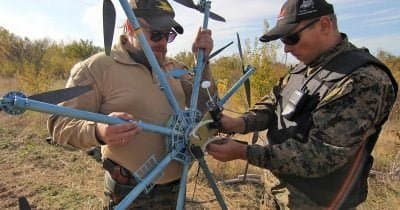
The recent announcement from Ukraine's Unmanned Systems Forces about striking 1,725 Russian military targets in a single day marks a pivotal moment in the ongoing conflict. This unprecedented level of drone warfare not only highlights Ukraine's growing operational capabilities but also reflects a strategic shift aimed at undermining Russian military effectiveness.
In the context of a war that has seen Russia occupying approximately 20% of Ukrainian territory since its full-scale invasion in 2022, this escalation seems to represent a concerted effort by Ukraine to regain control and push back against the aggressor. The reported 418 troop casualties on the Russian side indicate that these drone operations are not merely symbolic but are achieving tangible results on the battlefield.
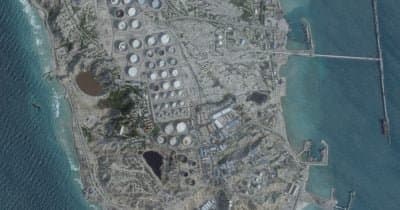
This surge in drone strikes aligns with Ukraine's broader military strategy, which appears focused on crippling Russian logistics and energy infrastructure. The recent attacks on critical targets deep within Russian territory showcase an intent to disrupt supply lines and demoralize Russian forces. Such tactics are essential in modern warfare, where the ability to outmaneuver and outpace an opponent can lead to significant strategic advantages.
Market reactions to these developments suggest an increasing confidence in Ukraine's military effectiveness. Investors are likely to view this escalation as a sign that Ukraine may be on a trajectory to achieve its strategic objectives, including the potential recapture of Crimea. The heightened activity in drone warfare could very well influence future military strategies and operational planning for both sides.
As the situation evolves, it will be critical for analysts and market observers to monitor updates from military sources like the Institute for the Study of War (ISW) regarding any changes in territorial control, particularly in Crimea. Additionally, statements from both Ukrainian and Russian military officials will provide insights into the ongoing dynamics of the conflict and its implications for regional stability and global markets.
This material is informational and should not be considered as financial advice.