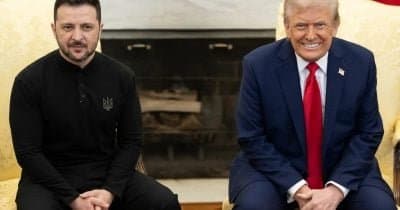
Ukrainian President Volodymyr Zelensky has recently characterized the Russian leadership's actions as increasingly irrational, especially in light of persistent drone strikes targeting civilian infrastructure. This accusation comes after a series of damaging attacks in Kyiv, prompting Zelensky to articulate a clear call for enhanced international support. His appeal specifically emphasizes the need for bolstered air defenses, stricter sanctions against Russia, and acceleration of collaborative defense technology developments, such as the FREYJA anti-ballistic system.
These developments arrive within a context of ongoing military aggression that has not only escalated humanitarian concerns but is also perceived to complicate the prospect of a ceasefire. Market predictions suggest a declining likelihood of a formal agreement between Russia and Ukraine by the end of 2026, with estimates dropping to 40.5% from 42% over the course of a single day. This shift reflects a prevailing sentiment among market participants that intensified hostilities and Zelensky's fervent declarations may undermine any near-term resolution to the conflict.
The current state of affairs illuminates the complex interplay between military engagements and diplomatic negotiations. As Zelensky's remarks imply a potential escalation in tensions, they concurrently signal a diminished appetite for compromise on both sides. The indicators from prediction markets reveal a growing skepticism regarding the feasibility of a ceasefire anytime soon, as the reactions from both Ukrainian and Russian leadership suggest entrenched positions.
In this tense atmosphere, observers are keenly attuned to any fluctuations in diplomatic maneuvers or military actions that could pivotally affect ceasefire negotiations. Key figures such as Zelensky, Russian President Vladimir Putin, and U.S. Secretary of State Marco Rubio play critical roles in shaping this dynamic. Announcements around new defense initiatives or shifts in sanctions could not only influence public perception but also reconfigure market expectations regarding the likelihood of a ceasefire. The market's skepticism is further entrenched by the continued conflict and Ukraine's push for stronger defensive capabilities in light of recent Russian aggression.
This article is informational and does not constitute financial advice.