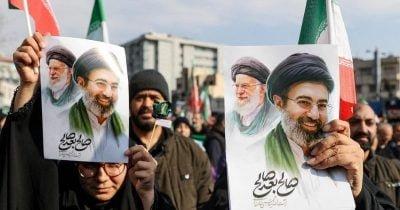
Recent large-scale mourning events in Iran have raised significant concerns over the stability of the current regime, sparking discussions about potential shifts in the country’s governance by 2026. With millions reportedly participating in these public displays of grief, analysts view this as a crucial moment that could reshape both Iran’s internal political landscape and its impact on regional dynamics.
Why This Matters
The gathering suggests a high level of discontent among the Iranian populace, which may not only influence internal power structures but also have broader implications for Middle Eastern geopolitics. Observers are particularly interested in how these events could lead to instability, which in turn might prompt a reassessment of leadership within the country.
- The mourning event symbolizes a potential loss of confidence in the regime, affecting its authority.
- Market reactions indicate a perceived increase in the likelihood of regime change in Iran by September 2026.
- Current pricing in market instruments reflects decreasing confidence in the durability of the Iranian leadership.
What’s Next?
In light of these developments, keen attention should be paid to the statements and actions from influential Iranian political figures and the Islamic Revolutionary Guard Corps (IRGC). Their responses will be critical in understanding shifting power dynamics within the government. Additionally, the potential for continued public demonstrations could further impact market perceptions surrounding the stability of the regime. The international community's reactions and any diplomatic efforts will be vital in influencing future developments regarding Iran’s political situation.
This material is for informational purposes only and does not constitute financial advice.