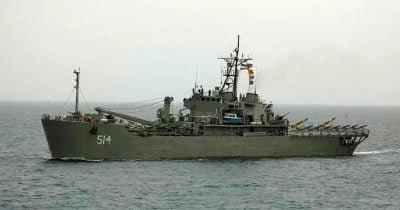
The increasing tensions in the Strait of Hormuz, highlighted by President Donald Trump's recent critique of Iran's nighttime ship attacks, underline a pivotal moment in maritime security. The ongoing Iran War of 2026 has severely impacted shipping routes, particularly after recent escalations tied to U.S.-Israeli military operations. As this situation intensifies, understanding its broader implications for global trade and energy markets becomes crucial.
Why This Development Matters
Trump's disapproval signals mounting instability in one of the world's most strategic waterways. The Strait of Hormuz is vital for global oil transportation, with a significant portion of the world’s oil supplies passing through it. It is essential to grasp how Trump’s remarks may affect international perceptions and operations in the region:
- Current market analysis shows an 18.5% chance that traffic normalization in the Strait will occur by August 31.
- Increased military maneuvers by the U.S., including strikes against Iranian targets, point towards prolonged instability.
- Iran's denials of involvement in attacks complicate any potential ceasefire and negotiations.
Given this context, stakeholders from businesses to governments should prepare for continued disruptions that could ripple through global supply chains and energy prices.
Potential Outcomes and Future Monitoring
The situation remains fluid, and several key elements warrant close attention in the weeks ahead. Analysts and investors should monitor:
- Any changes in military engagement from either Iran or the U.S. that may indicate a de-escalation or the opposite.
- Official statements from Iranian leadership and U.S. government representatives for signs of diplomatic resolutions.
- Real-time updates from vessel tracking systems to assess the actual navigation conditions in the Strait.
As these events unfold, they will inevitably influence both geopolitical stability and market conditions, affecting everything from oil prices to shipping routes.
This material is for informational purposes only and should not be considered financial advice.