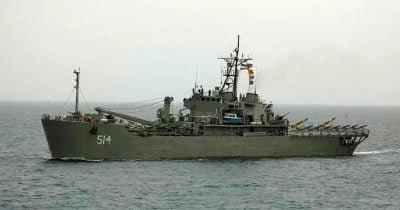
The escalating military conflict between the United States and Iran signals increasing instability in the Middle East, particularly following the recent collapse of a temporary ceasefire. This ceasefire, which had offered a brief respite from hostilities, has now dissolved, reigniting retaliatory strikes and heightening geopolitical tensions. As the 2026 Iran War, initiated by a U.S.-Israeli coalition, unfolds, its repercussions extend well beyond regional borders, especially concerning global oil supply chains.
Why This Matters for Global Markets
The implications of renewed military engagements between the U.S. and Iran are profound, fundamentally affecting market perceptions and economic stability worldwide. Key factors to consider include:
- The probability of reconstruction funding inclusion in U.S.-Iran negotiations has significantly dropped, from 38% to 29.5%, reflecting diminishing confidence in diplomatic resolutions.
- Escalating retaliatory strikes between U.S. and Iranian forces underscore a cycle of violence that seems to obstruct any potential diplomatic progress, leading to negative market sentiments.
- Threats to the Strait of Hormuz, a critical chokepoint for oil transportation, heighten concerns about supply disruptions, influencing oil prices globally.
The stakes are particularly high given the strategic nature of this region for global energy markets, making any military advancements or setbacks a focal point for investors and policymakers alike.
Future Developments to Monitor
Looking ahead, it will be crucial to observe upcoming diplomatic efforts involving pivotal figures such as U.S. President Donald Trump and Iranian Foreign Minister Javad Zarif. Additionally, any changes in military strategies, especially actions taken by Israel or Iran's forces in the Strait of Hormuz, could significantly shift market dynamics. The role of mediators, particularly from Qatar and Pakistan, may also become critical as attempts to stabilize the situation continue. Any positive or negative developments in these areas will directly influence the prospects of a U.S.-Iran deal, particularly concerning reconstruction funding.
This material is for informational purposes only and does not constitute financial advice.