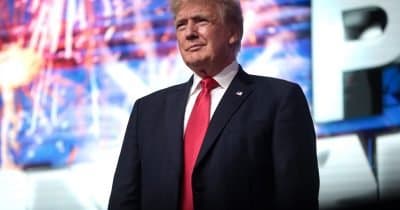
In a strikingly aggressive statement, former President Donald Trump has indicated that he has issued “instructions” for the obliteration of Iran if an assassination attempt on him were to take place. This declaration emerges amidst a renewed cycle of conflict between the U.S. and Iran in 2026, which follows a collapse of a previous ceasefire. Trump's remarks signal a clear shift towards maximum escalation, suggesting that any perceived threat against him could invoke a severe military response from the United States.
The context of these comments is critical. The ongoing conflict has already witnessed U.S. military strikes alongside Iranian missile attacks, creating a precarious situation that jeopardizes regional stability. The rhetoric employed by Trump also reflects deeper uncertainties regarding Iran’s leadership and its ability to maintain internal control amidst external pressures.
Market analysts are closely observing the implications of Trump's statements. The current pricing dynamics suggest that there is a heightened perception of instability within Iran, which could have cascading effects on both domestic governance and international relations. Should the rhetoric escalate further, the financial markets might react with increased volatility, reflecting fears about a potential armed conflict.
As the situation unfolds, it will be crucial to watch for official reactions from Iran. Any response could significantly alter perceptions of stability in the region, especially given the history of retaliatory actions between the two nations. Additionally, ongoing developments in the U.S.-Iran conflict, including possible military maneuvers or diplomatic efforts, could redefine expectations surrounding Iran’s leadership status.
In this volatile environment, the potential for significant shifts in geopolitical sentiment is ever-present. Investors and political analysts alike should remain vigilant, as the consequences of Trump's ultimatum could reverberate far beyond the immediate conflict.
This content is for informational purposes only and should not be considered financial advice.