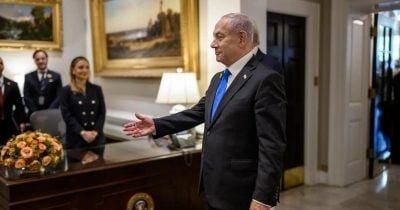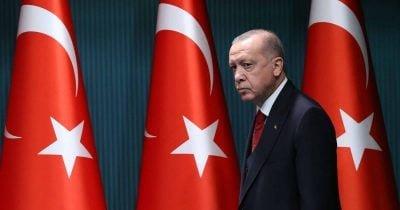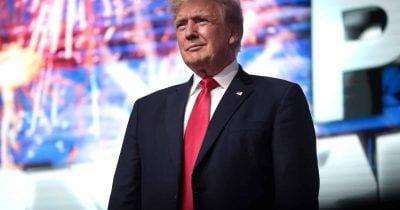
In a notable shift of tone during his speech at the NATO summit, U.S. President Donald Trump declared a move away from pursuing regime change in Iran. This adjustment comes at a critical juncture in the ongoing 2026 Iran War, which has seen the U.S. forming a coalition with Israel against Iranian influence and capabilities. Trump's remarks suggest a potential pivot toward diplomatic engagement over military interventions, highlighting a strategic reassessment by the United States in a complex geopolitical landscape.
Significance of the Shift in Stance
Understanding Trump's strategic pivot is essential for multiple reasons:
- It reflects a possible de-escalation of aggressive military strategies that have characterized U.S. foreign policy toward Iran in past years.
- The remarks signal a willingness to engage diplomatically, which could reshape future negotiations and peace talks.
- Market reactions indicate a fresh outlook, as investors gauge the likelihood of stabilized relations affecting oil prices and regional security dynamics.
The implications of a less confrontational U.S. stance could lead to varied consequences in regional power dynamics, affecting not only Iran and the U.S. but also the broader Middle East landscape.
Future Developments to Monitor
Investors and observers should keep a close eye on several pivotal factors moving forward:
- Potential announcements regarding the timing and venue of U.S.-Iran diplomatic meetings, particularly in the UAE, which can indicate market movements.
- Statements from European nations may influence the negotiation dynamics and serve as catalysts for renewed discussions.
- Any military actions or diplomatic gestures from either side could shift market sentiments instantly.
The situation remains fluid, and developments in U.S.-Iran relations could lead to significant market implications, especially within global oil markets and securities related to Middle Eastern dynamics.
This article is for informational purposes only and does not constitute financial advice.