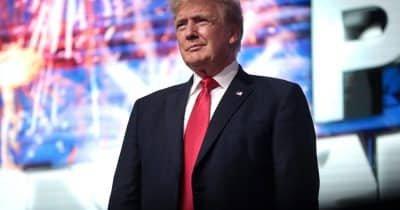
The announcement by former U.S. President Donald Trump declaring the Iran nuclear deal as "over" marks a critical juncture in U.S.-Iran relations. This declaration follows a series of military confrontations, including U.S. airstrikes against Iranian targets, escalating tensions in a region already fraught with conflict. The breakdown of a ceasefire that had been established to manage the situation underscores the fragile nature of international agreements in volatile environments.
Implications of Increased Tensions
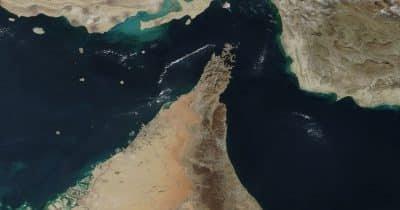
Trump's remarks and the accompanying military actions signify a possible shift back toward hostilities, raising several important considerations for both geopolitical dynamics and market responses. The renewed military activity between the U.S. and Iran, particularly following Iran's attacks on commercial vessels and the downing of a U.S. helicopter, suggests a deteriorating environment for diplomacy. Notably, the initial memorandum of understanding required Iran to stop uranium enrichment and reopen the strategic Strait of Hormuz, both essential for global oil supply routes. However, with both nations accusing each other of violating the terms, the likelihood of future agreements appears diminished.
- Increased likelihood of military confrontations affecting regional stability.
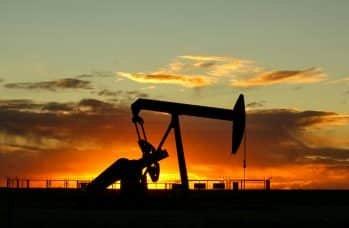
- Potential for further disruptions in global oil markets.
- Market projections show reduced confidence in potential reconstruction funding from a U.S.-Iran deal.
- Diplomatic negotiations' success appears increasingly uncertain within the year.
What This Means for Investors and Markets
Investors should pay attention to the effect of these developments on global oil prices and the broader market sentiment. The current atmosphere of uncertainty has already prompted a shift in market perceptions, likely leading to volatility in oil-dependent sectors. The recent military actions may lead investors to re-evaluate their positions, especially in commodities and energy stocks, as any escalated conflict can cause significant ripples across the market.
Additionally, observing statements from key actors, such as Iranian Foreign Minister Javad Zarif and U.S. Chief Negotiator Mike Vance, will be crucial for assessing the potential for a diplomatic reconciliation. As tensions rise, the public and investor response to any military action from either the U.S. or Israel could further shift perspectives on market stability and geopolitical risk.
Future Monitoring: Key Developments Ahead
In the upcoming weeks, watch for potential diplomatic engagements or military escalations that could alter the trajectory of U.S.-Iran relations. Significant events, such as the reopening of the Strait of Hormuz or new negotiations, may reshape market expectations and influence risk assessments. With the geopolitical landscape continuously evolving, market participants would do well to remain vigilant.
This material is for informational purposes only and should not be considered financial advice.