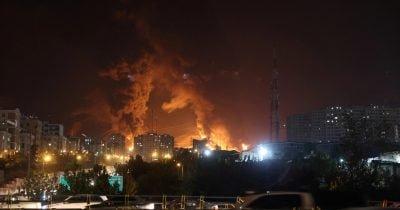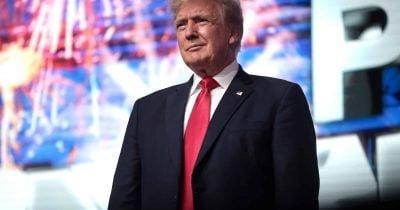
In a significant escalation of military rhetoric, President Donald Trump has threatened further military strikes against Iran, leading to increased tensions in an already volatile region. Iran has responded with warnings of a fierce retaliation, indicating that the situation is far from stable. This recent exchange does not merely add to the ongoing conflict; it complicates diplomatic efforts aimed at reaching a potential U.S.-Iran deal, originally anticipated for 2026.
Why This Development Matters
This escalation carries profound implications for both U.S.-Iran relations and broader regional stability. The ongoing military exchanges, characterized by strikes on Iranian targets and missile launches directed at U.S. forces in Kuwait and Bahrain, significantly heighten the risk of miscalculations that could lead to larger conflicts.
- Trump's threats potentially decrease the chance of a diplomatic resolution involving reconstruction funding.
- The current unstable military dynamics suggest an increasing probability of regime instability in Iran.
- The likelihood of a U.S.-Iran deal regarding reconstruction funding appears less promising as tensions grow.
The international community is currently on high alert, as the ramifications could extend beyond just Iran and the United States, affecting global oil markets and geopolitical alliances.
What Lies Ahead
As we observe this developing situation, emphasis should be placed on the reactions from Iran. Any military or diplomatic responses from Tehran may provide critical insights into future escalations or de-escalations. Furthermore, reactions from influential regional players like Qatar and Pakistan will be crucial in determining how the situation evolves. Investors and market analysts will closely monitor these dynamics for signs that could indicate shifts in negotiation scenarios.
This material is for informational purposes only and should not be considered financial advice.