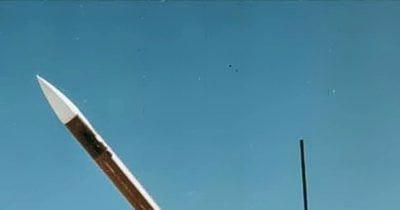
The recent decision by the United States to grant Ukraine a license to produce Patriot surface-to-air missiles marks a pivotal moment in the ongoing conflict between Ukraine and Russia. Announced during a NATO summit in Ankara, Turkey, by U.S. President Donald Trump and Ukrainian President Volodymyr Zelenskyy, this move reflects a strategic transformation in U.S. military support, shifting from direct transfers of weaponry to enhancing Ukraine's domestic defense manufacturing capabilities. This evolution comes against the backdrop of escalating Russian missile and drone attacks on Ukrainian cities, including recent assaults on Kyiv.
Why This Shift Matters
The importance of this development cannot be overstated. By allowing Ukraine to produce these advanced missile systems, the U.S. is not only increasing Ukraine's military autonomy but also signaling a stronger commitment to its defense amidst rising tensions in the region. This might be interpreted as a precursor to greater military engagements and an escalation of commitments from NATO allies.
- The recent authorization indicates U.S. willingness to solidify Ukraine's defense posture.
- Market indicators suggest a 17.5% probability of a NATO-Russia military clash by December 31, 2026.
- This move may alter the calculus for Russian military strategies moving forward.
Moreover, working closely with defense contractors like Lockheed Martin and RTX Corporation will be crucial in facilitating this transition. The integration of these firms into Ukraine’s defense landscape not only signifies enhanced military capabilities but also promotes a more robust bilateral defense relationship.
Looking Ahead: Potential Consequences
As stakeholders in the international arena observe the repercussions of this decision, the immediate focus will be on Russia's response to Ukraine's upgraded military capabilities. Moscow's reaction could significantly influence NATO-Russia relations and further military dynamics in the region. Observers will be monitoring any military engagements or diplomatic maneuvers as critical indicators of the likelihood of conflict. Additionally, the timeline and specifics surrounding the implementation of missile production will be essential in shaping market expectations going forward.
With the international community vigilant towards potential escalations, the situation remains fluid, creating several avenues for market participants to analyze.
This material is for informational purposes only and should not be considered financial advice.