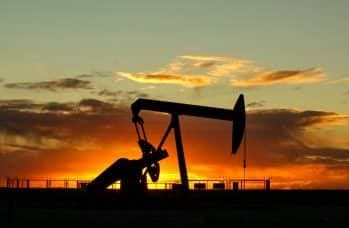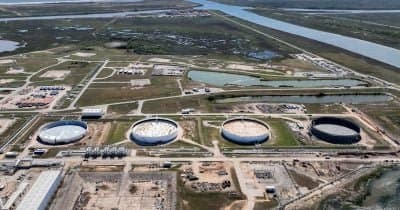
The U.S. Strategic Petroleum Reserve (SPR) has fallen to its lowest level since April 1983, currently holding about 319.5 million barrels of crude oil. This alarming statistic comes on the heels of an emergency drawdown initiated during the Trump administration, aimed at countering global supply shortages exacerbated by the ongoing Iranian conflict and the blockade of the Strait of Hormuz.
The Energy Department has attempted to quell fears, asserting that there is no immediate danger. They cite sufficient commercial inventories and loan-based releases, yet the reality remains that these reserves are at critical lows. Market sentiment is reacting, with crude oil prices beginning to reflect an increased likelihood of hitting new highs as concerns about supply intensify.
With SPR reserves dwindling, the market is particularly sensitive to geopolitical tensions. Key players are already suggesting that this could set the stage for significant price hikes. For instance, the recent modest uptick in pricing within the September 30 sub-sector from 5% to 6.3% indicates investor anxiety is escalating.
Moving forward, it is essential to monitor developments in the Middle East closely. Changes in U.S.-Iran relations, as well as statements from influential figures such as OPEC's Mohammad Sanusi Barkindo and Saudi Arabia's Abdulaziz bin Salman Al Saud, will likely offer insights into potential shifts in oil production that could further impact supply. Moreover, tracking the trajectory of commercial crude inventories will be vital for assessing the long-term implications of the current state of the SPR.
This is informational content and should not be considered financial advice.