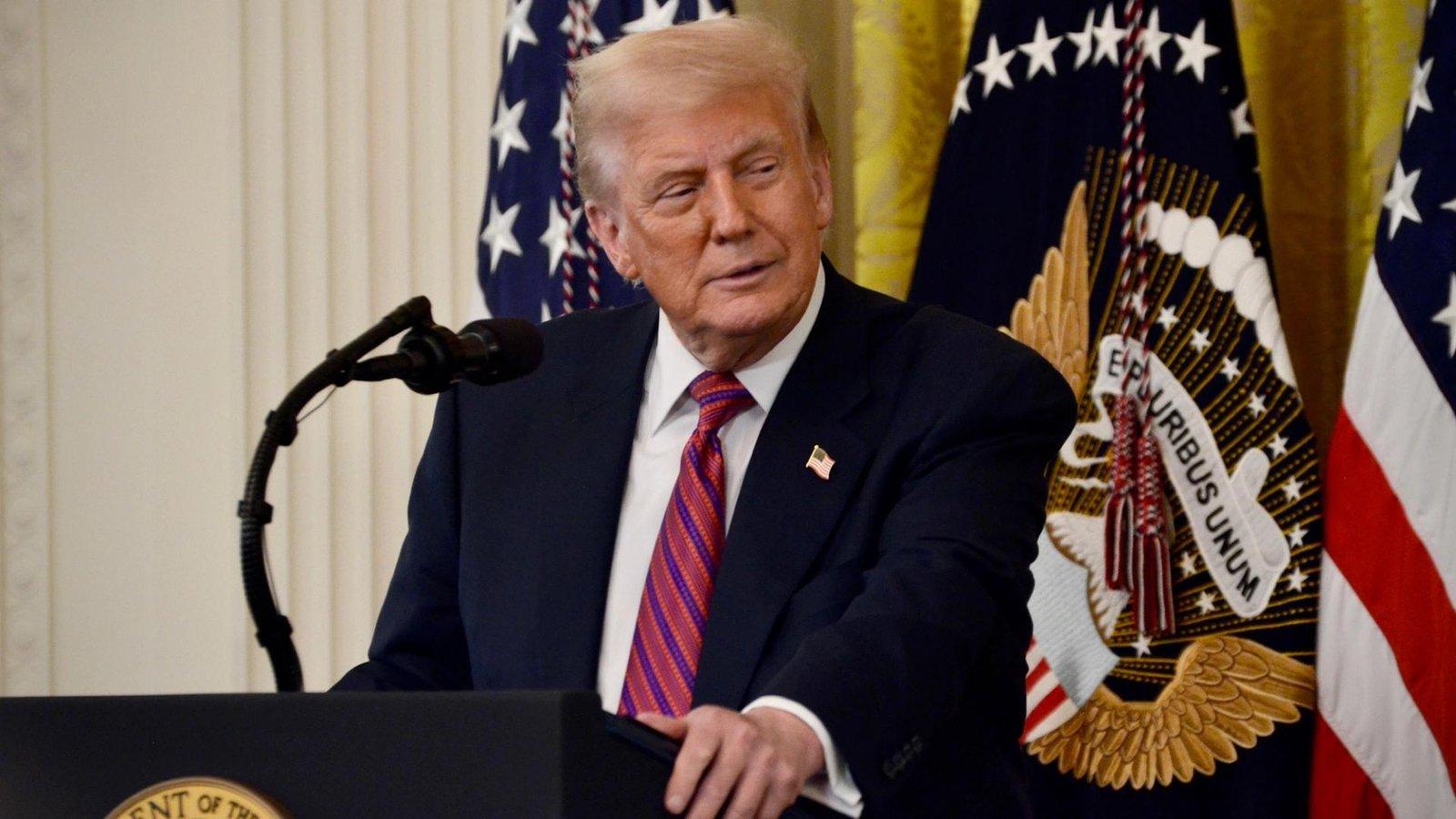
As the clock strikes midnight, a significant shift in U.S. monetary policy is set to take place with the enactment of a new housing-affordability bill that, although primarily unrelated to digital currency, carries a notable provision: a four-year ban on central bank digital currency (CBDC). This decision arrives amidst President Donald Trump's expressed disapproval, nevertheless affirming the checks and balances within the government that allow such legislation to pass despite a presidential veto.
The Political Backdrop
As the U.S. grapples with housing affordability crises and other economic challenges, legislative measures are being employed that intertwine various priorities, including a CBDC ban. The inclusion of this provision within the housing bill illustrates a strategic maneuver from Republican lawmakers, aiming to respond to growing concerns voiced predominantly by the crypto industry regarding potential government overreach and surveillance associated with a digital dollar.
Trump's rejection of the legislation through protest underscores the contentious political atmosphere; however, it also highlights that the U.S. Constitution empowers Congress to pass bills independent of presidential approval within a specified time frame. This amendment to the current financial landscape emphasizes that even if a CBDC is not actively pursued by the Federal Reserve, the ban reflects the heightened scrutiny surrounding government-issued digital currencies.
Implications for Cryptocurrency and the Financial Sector
The ban on a U.S. digital dollar could have profound implications for the cryptocurrency market. By prohibiting the Federal Reserve from issuing a digital dollar that could rival privately issued stablecoins, this move may reinforce the current dominance of existing cryptocurrencies while simultaneously solidifying the crypto community's long-stated opposition to a government-backed alternative. The ramifications extend beyond the crypto industry; they may also shape the approach other jurisdictions take regarding their digital currency initiatives.
- The restriction lasts for four years until 2030.
- The lack of a serious effort from the Federal Reserve regarding a CBDC mitigates immediate concerns.
- Congress has historically shown limited support for CBDCs.
As other global powers, notably Europe and China, enhance their CBDC frameworks, the U.S. finds itself in a unique position where the ban could hinder domestic innovation in the digital currency space while these nations pursue this technology more aggressively. The outcome may develop into a geopolitical race where the absence of a U.S. digital dollar could extend the competitive edge of foreign currencies in the digital realm.
Looking Ahead
In conclusion, while the headline news about a ban on a U.S. CBDC is striking, it opens up a broader conversation about the future of digital currencies and their role in the financial ecosystem. With tight regulations on potential competitors to private sector stablecoins, there may be an opportunity for innovators within the cryptocurrency sector to fill the gaps left by government inaction. As such, investors should closely monitor these developments, as they could provide both challenges and opportunities for navigating the evolving landscape of digital finance.
This material is informational and not financial advice.