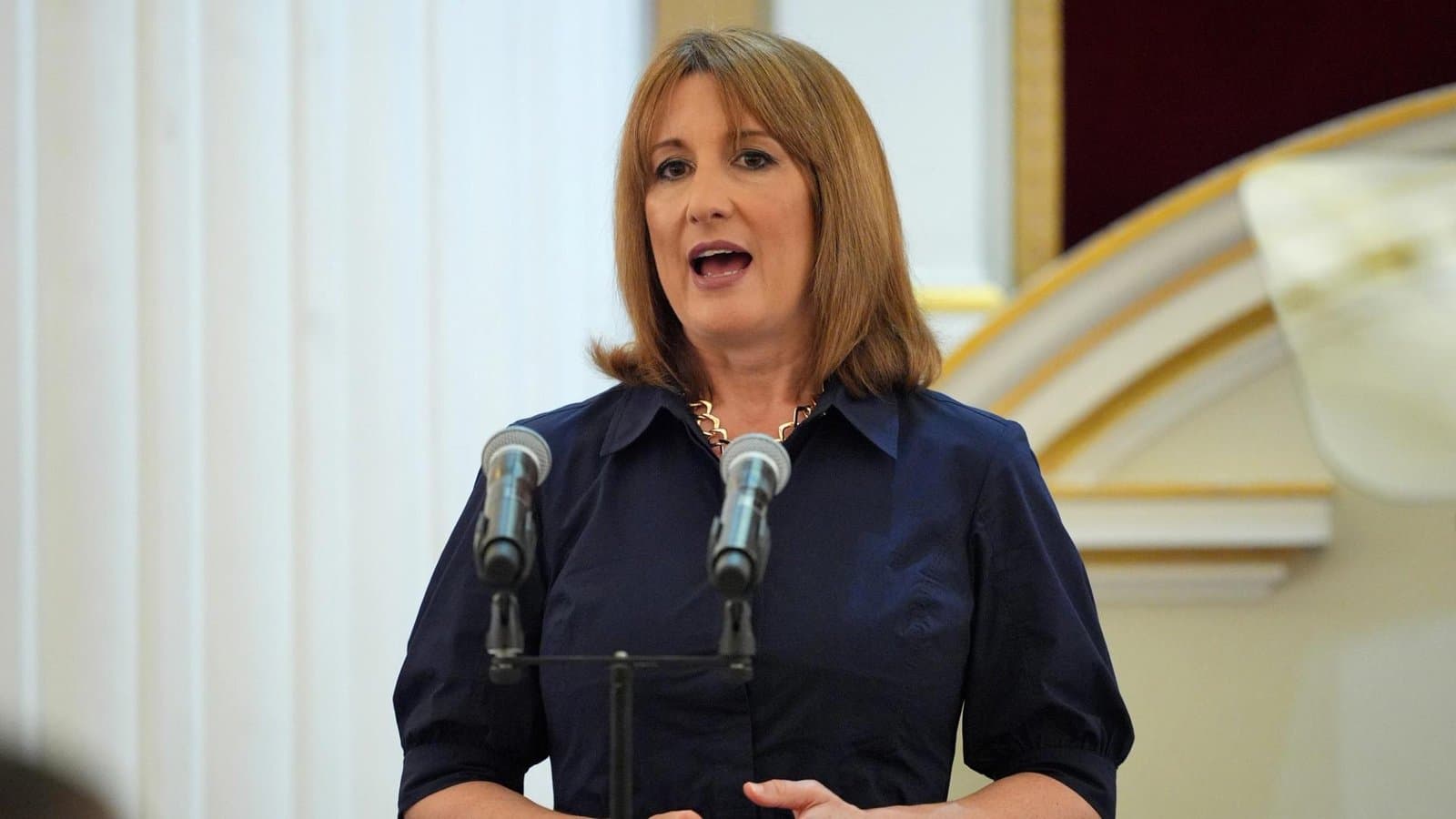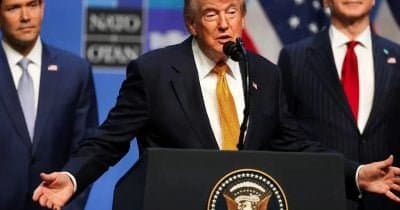
President Trump has officially abandoned his proposal to impose a 20% toll on vessels transiting the Strait of Hormuz. Instead, the focus has shifted towards securing investment commitments from Gulf States into the U.S. economy. This notable policy change unfolds amid escalating tensions in the Persian Gulf, marked by Iran's aggressive maneuvers against shipping routes and its recent closure of the strait.
The initial toll plan aimed to generate revenue from international shipping, but with the U.S. reinstating a blockade on Iranian ports, such a move risked inflaming conflict further. By opting for investments, Trump appears to be aligning U.S. interests with those of Gulf allies, who favor financial commitments over transit fees amidst volatile maritime environments. Such an alignment could stabilize regional markets and reduce friction with key trading partners.
Market responses to Trump's announcement have been telling. Analysts now suggest that the likelihood of U.S. tolls being enacted has dramatically decreased, which is reflected in current pricing structures. The anticipated inflow of Gulf investments could signal a boost for the U.S. economy, potentially fostering a more collaborative economic environment within the Gulf region.
Investors and market watchers are urged to keep a close eye on developments surrounding U.S.-Iran relations, as any signs of a ceasefire or adjustments in naval operations could further alter the space. Additionally, the implications of Gulf States' financial injections into the U.S. economy will be critical in shaping market sentiment. The greater the commitment from these nations, the more confidently financial markets might respond, reinforcing stability in times of uncertainty.
This content is for informational purposes only and does not constitute financial advice.