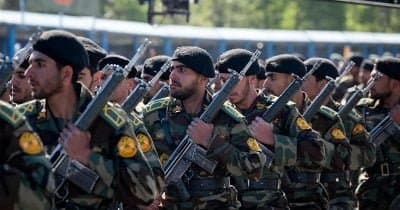
The recent suspension of welfare payments in Iran, particularly for disabled families, shows the nation's economic turmoil. Budget constraints have forced the government to allocate funds to military reconstruction, reflecting a strategic pivot amid ongoing external pressures, notably from conflicts such as Operation Epic Fury.
Economic Strain vs. Military Spending
This decision reveals the stark reality of Iran's financial landscape, where social services are being sacrificed for military expenditures. Thousands of welfare recipients are now left without essential support, raising concerns about heightened domestic unrest. This shift in focus illustrates the government's prioritization of military capabilities over social welfare, complicating the lives of many Iranian citizens during a time of need.
Implications for Diplomatic Relations
The cuts to welfare payments are not merely an internal issue; they have significant ramifications for Iran's diplomatic strategies. As markets react to these developments, there is a perceived decrease in the likelihood of a final nuclear agreement with the U.S. by the August 13, 2026 deadline. The pricing in prediction markets reflects this sentiment, suggesting that domestic challenges may hinder diplomatic negotiations.
- Suspension of welfare payments affects thousands.
- Prioritization of military spending could escalate internal tensions.
- Market predictions indicate reduced chances for a U.S.-Iran nuclear deal.
Observers are advised to keep an eye on statements from key Iranian leaders, such as Ayatollah Ali Khamenei and Foreign Minister Abbas Araghchi. Any firm stances on enrichment compromises could further sway market expectations. Additionally, advancements in U.S.-Iran negotiations, particularly concerning sanctions relief, could alter the current outlook.
This article is for informational purposes only and is not financial advice.