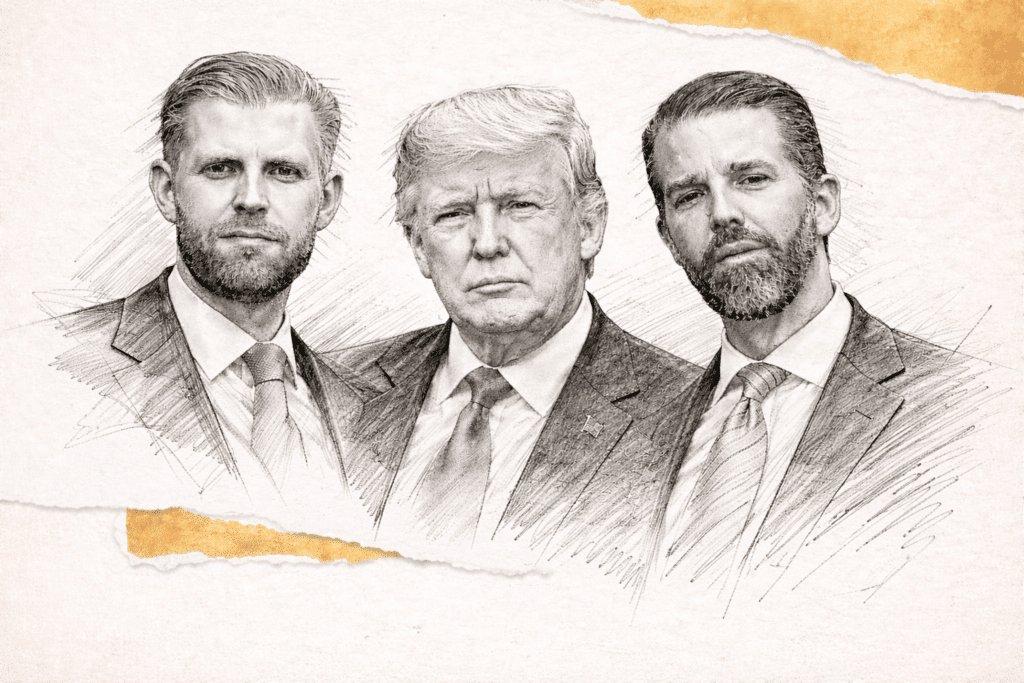
The recent push by Senator Elizabeth Warren to amend the Senate’s crypto market structure bill opens up critical discussions around ethics in financial regulations, particularly amidst revelations of President Donald Trump and his family's substantial profits from digital assets. With a staggering $1.4 billion earned in 2025, and specific earnings of approximately $635 million from a memecoin business, these financial disclosures highlight significant potential conflicts of interest as lawmakers deliberate on regulatory frameworks.
The Clarity Act Under Scrutiny
The Clarity Act, which has made headlines as it seeks to shift oversight of digital assets from the SEC to the CFTC, is central to this ongoing debate. Warren's insistence that the bill must preclude top government officials and their families from profiting off the crypto industry underscores a critical intersection of governance and ethics. The recent financial disclosures could serve as a catalyst for broader considerations of how regulatory bodies can effectively navigate the complexities of cryptocurrency while ensuring transparency and accountability.
Political Dynamics at Play
As the Clarity Act prepares for a Senate floor vote, the dynamics among party lines are noteworthy. While Senate Banking Chairman Tim Scott advocates for expediency in voting, the urgency of Warren's ethics language could cause delays. Senator Ruben Gallego's remarks, condemning Trump's wealth accumulation via the presidency, echo growing discontent with perceived ethical lapses in officials profiting from their positions. Such tensions could influence not just the outcome of this particular bill, but also set the stage for future regulatory discussions in an industry already rife with scrutiny.
Implications for Investors and Market Sentiment
The developments surrounding the Clarity Act and Trump's financials may introduce volatility into the crypto market. Investors often react to regulatory news, and heightened scrutiny around conflicts of interest could shift market sentiment. As lawmakers grapple with these ethical concerns, the clarity or lack thereof could affect investor confidence and pricing in digital asset markets. In addition, the mixed signals from both political parties indicate a potential for legislative gridlock, complicating the investment landscape further as stakeholders await clearer guidelines. Overall, the unfolding scenario not only stresses the importance of ethical governance in the burgeoning crypto space but also highlights the influential role of political agendas in shaping market realities.