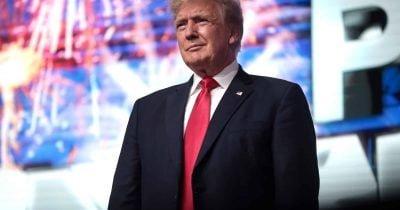
In a move that could redefine U.S. defense strategies, President Donald Trump has unveiled plans to request a staggering $1.5 trillion for the military budget in fiscal year 2027. This proposed budget underlines a historic increase, representing the largest single-year increment in U.S. defense spending since World War II, with an anticipated growth of 42-50% compared to the previous fiscal year. The intent behind this massive infusion of funds focuses on modernizing military capabilities, particularly enhancements to missile defense, naval forces, and the integration of cutting-edge technology.
As geopolitical tensions continue to simmer, particularly evident in the ongoing conflict in Iran, this budget proposal raises critical questions about U.S. military engagement and preparedness. Interestingly, the proposal notably excludes funding associated with operations in Iran, suggesting that there might be additional requests for military appropriations related to that conflict in the future. This presents a complex picture where Congress and the American public will need to weigh the significance of robust military readiness against domestic fiscal priorities.
Significance of Trump's Military Budget Initiative
The implications of this substantial military budget request are multifaceted, influencing not only the U.S. military landscape but also broader international relations. Key factors to consider include:
- Trump’s budget request aligns with potential scenarios of increased military action, indicating a strong commitment to maintaining a formidable military presence.
- The exclusion of Iran-related funding may suggest future requests, which could inflame domestic political debates regarding military spending priorities.
- Resistance from lawmakers, both Republican and Democrat, surrounding cuts to domestic spending illustrates the contentious nature of military appropriations, potentially delaying or complicating approval processes.
Future Implications and Points of Interest
The coming months are crucial as Congress will need to address Trump's ambitious military spending proposal. Observers should pay attention to:
- Reactions from lawmakers and any modifications to the proposed budget that emerge amidst legislative discussions.
- Additional military requests that may arise to support ongoing conflicts that were not included in the initial budget.
- Strategic military actions or deployments that could signal an increased U.S. military engagement on the global stage.
For investors and analysts, these developments could have substantial implications for defense contractors and related sectors. Overall, this budget proposal highlights a significant turning point in U.S. military funding, underscoring the complex interplay between defense readiness and prevailing domestic issues.
This material is for informational purposes only and does not constitute financial advice.