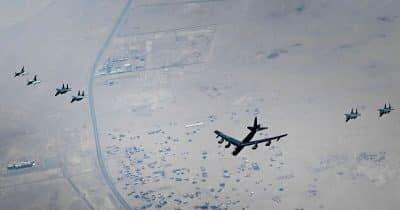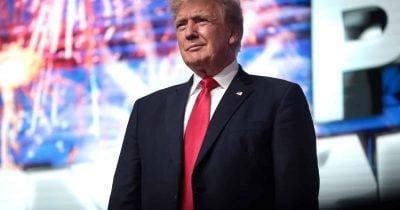
In a significant escalation of rhetoric, former President Donald Trump has proclaimed that the United States possesses specialized equipment capable of accessing Iran's underground nuclear facilities. This declaration comes in the context of ongoing military operations by the US and Israel aimed at curtailing Iran’s nuclear ambitions during the recently referred Twelve-Day War. The implications of these claims could be substantial, not only for international relations but also for market dynamics related to energy and military engagements.
Why This Matters: Potential Ground Operations and Market Reactions
Trump's statements hint at a strategic shift towards the potential deployment of ground forces, which could mark a profound change in the US approach to the conflict. Traditionally, airstrikes have been the primary means of addressing threats posed by Iran’s enriched uranium stockpile. However, the admission that more invasive tactics may be considered raises questions about the length and intensity of US military involvement.
- The expectation of US blockade on Iran has risen sharply, with market odds shifting from 30% to 46.5% for resolution by December 31.
- The commentary reflects growing anxiety and a shift in sentiment among investors towards a more aggressive military posture.
- These developments highlight the increasing urgency felt by US leadership regarding Iran's nuclear capabilities.
The heightened focus on Iran’s nuclear sites is indicative of a more assertive US strategy, suggesting that airstrikes alone may not suffice in preventing nuclear proliferation. As we analyze market trends, the investment community appears to be aligning more tightly with the prospect of military escalations, which historically lead to volatility in oil prices and broader economic implications.
Looking Ahead: Monitoring Developments and Market Implications
Investors, analysts, and geopolitical observers should remain vigilant about upcoming statements from US Central Command and the State Department, as any official announcements regarding military strategies or potential blockades will likely shape market expectations. Furthermore, the interplay between diplomatic efforts and military actions will be crucial in determining the trajectory of the conflict.
As the situation develops, it will be imperative to assess how these military strategies influence global markets, energy prices, and broader geopolitical stability. The evolving nature of this conflict could set significant precedents for future US engagements abroad.
This material is for informational purposes only and does not constitute financial advice.