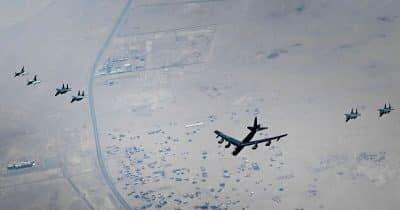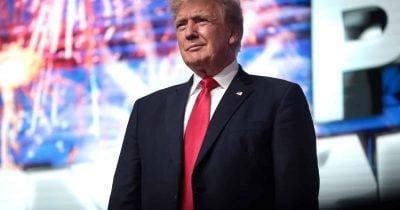
In a notable shift in dialogue regarding U.S.-Iran relations, President Donald Trump has recently suggested that targeting Iran's desalination plants may become a necessary military option. This statement surfaces in the ongoing context of the 2026 Iran War, characterized by aggressive military actions from both the U.S. and Israel since February. As Trump navigates this complex geopolitical landscape, the ramifications of such comments stretch beyond military strategy, delving into the fragile state of diplomatic relations and market stability.
Understanding the Implications of Trump's Statements
Trump's acknowledgment of potential attacks on critical infrastructure like desalination plants raises significant concerns. Targeting civilian facilities is not only controversial but also risks violating international humanitarian law, which could exacerbate tensions and provoke stronger reactions from Iran. Observers are particularly focused on the following key points:
- The potential violation of international Law, which could hinder future negotiations.
- The impact on the Iran Reconstruction Funding's likelihood, as market data suggests a decrease in odds for a U.S.-Iran deal following Trump's remarks.
- The overall increase in perceived risk regarding military escalations in the region.
This complex approach to military strategy suggests a possible shift in how the Trump administration might handle Iran, reflecting a stark move away from previously held diplomatic aspirations.
Market Reactions: A Reflection of Diplomatic Tensions
The reaction from markets indicates heightened anxiety about the future of diplomatic relations between the U.S. and Iran. Recent commentary has led to a notable decline in optimism for a peaceful resolution, as stakeholders recalibrate their expectations based on Trump's recent statements. The risk assessment is further complicated by the potential for military actions that threaten essential civilian infrastructure.
As negotiations become increasingly improbable, the implications for market behavior could be profound. Investors are advised to stay alert for signs of further military action or any shifts in diplomatic tactics, particularly statements from mediators in Qatar and Pakistan.
Looking Ahead: Key Developments to Monitor
As tensions continue to mount, the potential for military strikes against civilian infrastructure remains a critical factor influencing diplomatic outcomes. Market participants should look out for:
- Any confirmed military actions that target civilian areas as it could drastically cut down the chances of negotiation.
- Statements from mediators involved in the conflict and their implications on shifting diplomatic stances.
- The evolving military posture of both the U.S. and Iran, which could serve as indicators of de-escalation efforts or the opposite.
Monitoring these developments will be essential for understanding the potential for peace and stability in the region, as well as the broader impact on markets.
This material is for informational purposes only and is not financial advice.