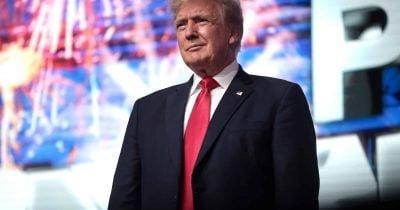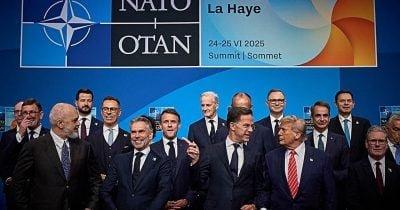
The recent airstrikes ordered by President Trump against Iran mark a significant escalation in tensions within the region, a situation that has drawn heightened concern from geopolitical analysts and market participants alike. While Trump has asserted a desire to avoid re-engaging in full-scale war, the reality on the ground suggests a precarious balance is in play, whereby military actions could very well lead to broader conflict. This development warrants a deeper analysis of its implications for the Middle East, NATO allies, and global economic markets.
Why This Development Matters
The escalation of military actions against Iran introduces a level of uncertainty that can ripple through financial markets and oil prices. Historically, tensions in the Middle East have had direct repercussions on global oil supplies and pricing, which frequently react to perceived threats to stability. Among the immediate concerns following the airstrikes are:
- The likelihood of a US invasion of Iran is currently priced in at 14.5% in prediction markets.
- Iran's recent retaliation against US interests may set off a cycle of escalating military engagements.
- The damage to NATO’s collective security posture due to regional instability could also influence defense-related spending and cooperation among member nations.
This delicate interplay between military engagement and diplomatic efforts can significantly shift market sentiment. The situation unfolds in a context where investor confidence relies heavily on stability, which is now increasingly uncertain.
Monitoring Future Developments
Investors and analysts will need to remain vigilant for upcoming developments, especially regarding US-Iran diplomatic talks or military repositioning by the US and its allies. Key indicators to observe include:
- Potential US troop movements and Congressional reactions to escalating events.
- Statements from Pentagon officials regarding military readiness and strategy.
- Iran's responses which may include further military maneuvers or destabilizing actions within the region.
The coming weeks may prove crucial as market expectations adjust to the evolving geopolitical landscape. Any significant tension could negatively impact oil prices and affect broader market indices.
What’s Next for Investors
It is essential to keep a close eye on the geopolitical ramifications of military actions and how they might influence oil markets and defense stocks. Investors should remain aware of the potential for a prolonged conflict that could lead to increased volatility in energy markets, impacting not only oil but also cryptocurrencies as alternatives. Understanding these dynamics will be critical for making informed investment decisions in the near future.
This material is for informational purposes only and does not constitute financial advice.