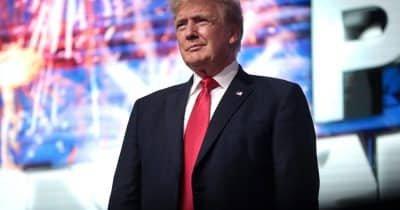
On July 8, 2026, President Donald Trump announced the end of the ceasefire with Iran during a NATO summit in Ankara, while US military forces launched air strikes on over 80 Iranian targets. This escalation sent shockwaves through global markets, particularly impacting oil prices and stock equity performance.
Why This Matters for Investors
The implications of this conflict reach far beyond immediate military concerns. The declaration of the ceasefire's end and the subsequent military response highlight a critical increase in geopolitical risk. Such actions often compel investors to seek safe havens, leading to immediate volatility in equities and commodities. The recent events unfolded as follows:
- Trump's declaration at the NATO summit denounced further negotiations with Iranian leaders.
- The military action targeted more than 80 sites, marking a significant escalation in hostilities.
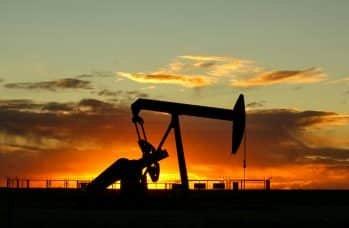
- Oil prices surged approximately 5% following the military strikes.
- Global equity markets experienced declines as investors reacted to the heightened risk landscape.
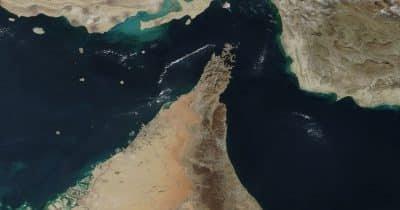
With these military actions occurring in the strategic Strait of Hormuz, where a significant portion of the world's oil supply transits, the potential for further escalation raises alarms for investors. Previous incidents of US-Iran tensions have demonstrated how quickly markets can react to perceived threats.
Market Reactions and Future Implications
The 5% spike in oil prices represents the most tangible market reaction to this escalation, as investors scramble to adjust their positions in anticipation of more turbulence. The overall decline in equity markets underlines a widespread fear of potential conflict expansion beyond the immediate region.
Interestingly, Bitcoin and other cryptocurrencies haven't appeared to be adversely affected in similar past episodes. During earlier tensions in 2026, Bitcoin showed resilience compared to riskier traditional assets, further solidifying its narrative as a 'digital gold.' This characteristic could attract more investments in times of instability, which suggests a shift in investor behavior during geopolitical crises.
Looking Ahead: Key Considerations for Investors
As the situation develops, investors should remain vigilant and consider the following:
- The potential for further military actions and its impact on global oil supply.
- Responses from other major geopolitical players and NATO allies.
- The evolving narrative surrounding the resilience of cryptocurrencies amidst traditional asset volatility.
In conclusion, the current geopolitical landscape presents both risks and opportunities for investors. Understanding these dynamics is crucial for making informed decisions in an increasingly complex market environment.
Disclaimer: This article is for informational purposes only and does not constitute financial advice.