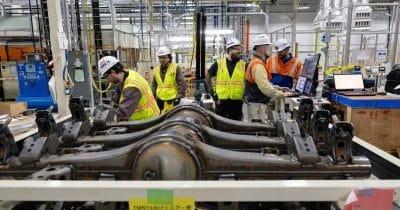
Toyota's recent commitment to invest $2 billion in its San Antonio plant represents a significant pivot in the automotive industry, underscoring the broader reshaping of global supply chains. This move is strategically timed, as it coincides with rising pressures and demand for U.S.-made products.
Implications for Trade Policy and Tariffs
By relocating truck production from Mexico to Texas, Toyota is not only enhancing its manufacturing footprint but also reducing its vulnerability to tariffs and trade policies that have fluctuated in recent years. The expansion, named "Project Orca," includes an assembly line for full-size trucks and SUVs, signaling an aggressive push towards domestic production that aligns with U.S. governmental policies favoring local manufacturing. This shift could inspire other multinational corporations to reconsider their supply chains in light of changing trade dynamics.
Response to Market Demand
From a consumer perspective, this investment is a response to the surging demand for hybrid vehicles in the U.S. market. As reports suggest, hybrid sales are on the rise and Toyota, known for pioneering hybrid technology with the Prius, is positioning itself to meet this demand domestically. This not only reflects a growth opportunity for Toyota but also emphasizes a broader trend towards sustainability in auto manufacturing.
Economic Effects on Local Markets
The implications of this expansion go beyond just Toyota’s balance sheet; the projected creation of 2,000 jobs by 2030 will stimulate the San Antonio economy significantly. This construction spending serves as an economic stimulus, with over $1 billion dedicated to building and equipping the new facility. Such initiatives are likely to foster goodwill with policymakers and might influence future economic policies favorably.
Investors should consider how this trend of reshoring affects market dynamics. As U.S. manufacturing capabilities expand, companies like Toyota will benefit from increased pricing stability and reduced exposure to global supply chain disruptions, potentially leading to more predictable earnings and growth.
Concluding Thoughts
In essence, while traditional equity investors may see Toyota's expansion as a straightforward positive signal, crypto investors might view these developments in the context of macroeconomic trends. The implications extend to inflation rates, consumer spending power, and overall economic sentiment, all of which ripple through the cryptocurrency markets. As the world shifts toward localized production and sustainability, the effects on investor sentiment in both automotive and crypto markets will be pivotal to monitor.