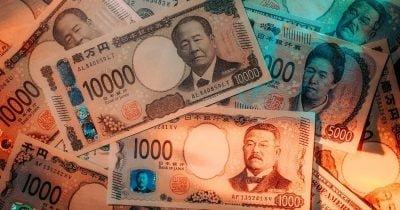
Hedge funds have recently adopted a notably bearish stance toward the Japanese yen, with net short positions soaring to approximately 146,000 contracts. This level of pessimism is the highest recorded since 2007, signaling significant speculative sentiment against the currency.
The yen's depreciation, which has seen it slide beyond 162 against the US dollar, marks its lowest point since 1986. This drastic fall underscores the influence of persistent interest rate differentials between the US and Japan, where higher US yields continue to attract global capital, making dollar-denominated assets preferential for investors.
The Implications of Carry Trades
In the world of finance, the yen carry trade a strategy where investors borrow cheaply in yen to invest in higher-yield assets holds substantial sway. The current bearish sentiment among hedge funds indicates increased volumes in the carry trade, as they capitalize on Japan's low interest rates by directing funds into US Treasuries, emerging market bonds, and equities.
This dynamic suggests that a potential unwinding of these substantial positions could have dramatic repercussions, particularly for risk assets. The last similar scenario in 2007 led to a notable downturn in global markets.
The Domestic Concerns for Japan
Japan's economic context adds another layer of complexity. With the yen trading at 162, the cost of imported energy and food has surged dramatically, thereby exerting pressure on domestic consumer prices. While aggressive rate hikes could strengthen the yen and mitigate import-driven inflation, they would also escalate the borrowing costs for a government already grappling with one of the highest debt-to-GDP ratios in the developed world.
Future Outlook for Crypto and Risk Assets
Goldman Sachs has projected that the yen could weaken further, forecasting it to reach 165 by mid-2027. If this trajectory persists, it could remain favorable for risk assets in the short term. However, any unexpected moves by the Bank of Japan to tighten monetary policy or a rapid narrowing of US-Japan rate differentials could lead to a swift withdrawal of liquidity from these markets.
In conclusion, the evolving situation with the yen not only impacts domestic economic factors but also has significant implications for global investment strategies, including cryptocurrency and other risk assets. Investors should remain vigilant about the interplay between currency trends and broader market movements.