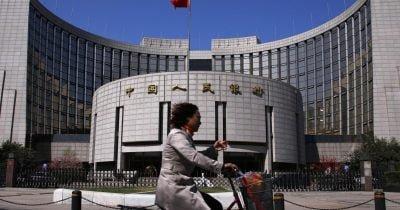
The recent decision by the People’s Bank of China (PBOC) to set the yuan’s reference rate above 6.80 per dollar for the first time since early 2023 marks a significant shift in China's currency policy. This move reflects Beijing's confidence in the yuan's strength and has broader implications for both global macroeconomic trends and the cryptocurrency market.
Why This Development Matters
By establishing a stronger yuan reference, the PBOC signals its intention to stabilize the currency and restore investor confidence in the Chinese economy. This policy choice is crucial for several reasons:
- Encouraging Foreign Investment: A stronger yuan indicates a stable economic environment, attracting foreign investors.
- Impacting Trade Dynamics: As exports become more expensive with a stronger yuan, this could lead to increased production costs for Chinese exporters.
- Managing Inflation: The adjustment aids in controlling inflation by making imports cheaper.
- Currency Stabilization: The back-to-back fixes at levels around 6.80 to 6.81 indicate a conscious effort by the PBOC to maintain stability.
Between January and July 2026, the yuan experienced a nearly 3% appreciation, moving from less than 7.00 to above 6.80 against the dollar. This suggests that not only are China’s economic fundamentals strong, but also that Beijing is strategically maneuvering to leverage these fundamentals for broader economic benefit.
Implications for Cryptocurrency Markets
Traditionally, when the yuan weakens, Chinese investors have sought alternative avenues for capital preservation, often turning to Bitcoin and stablecoins as means to escape currency pressure. A robust yuan diminishes the need for such capital flight. As a result, the demand for these digital assets could decline, as the urgency for investors to hedge against currency depreciation lessens. Simultaneously, a stronger yuan often correlates with a weaker dollar, potentially providing a short-term boost for Bitcoin as assets priced in dollars become more accessible to holders of other currencies.
Furthermore, the PBOC’s decision reinforces the market's need to monitor shifts in China's monetary policy. Any adjustments to interest rates or reserve requirements in tandem with the yuan's appreciation could influence market sentiment significantly.
Future Considerations
Going forward, investors should remain vigilant regarding the PBOC's actions, especially if there are indications of tightening monetary conditions that may accompany the stronger yuan position. The interplay between the Chinese yuan's strength and global asset prices, including cryptocurrencies, is a dynamic worth tracking as economic conditions evolve. Additionally, one must keep in mind the larger context of how Chinese fiscal policies could affect crypto markets internationally.
This material is for informational purposes only and does not constitute financial advice.