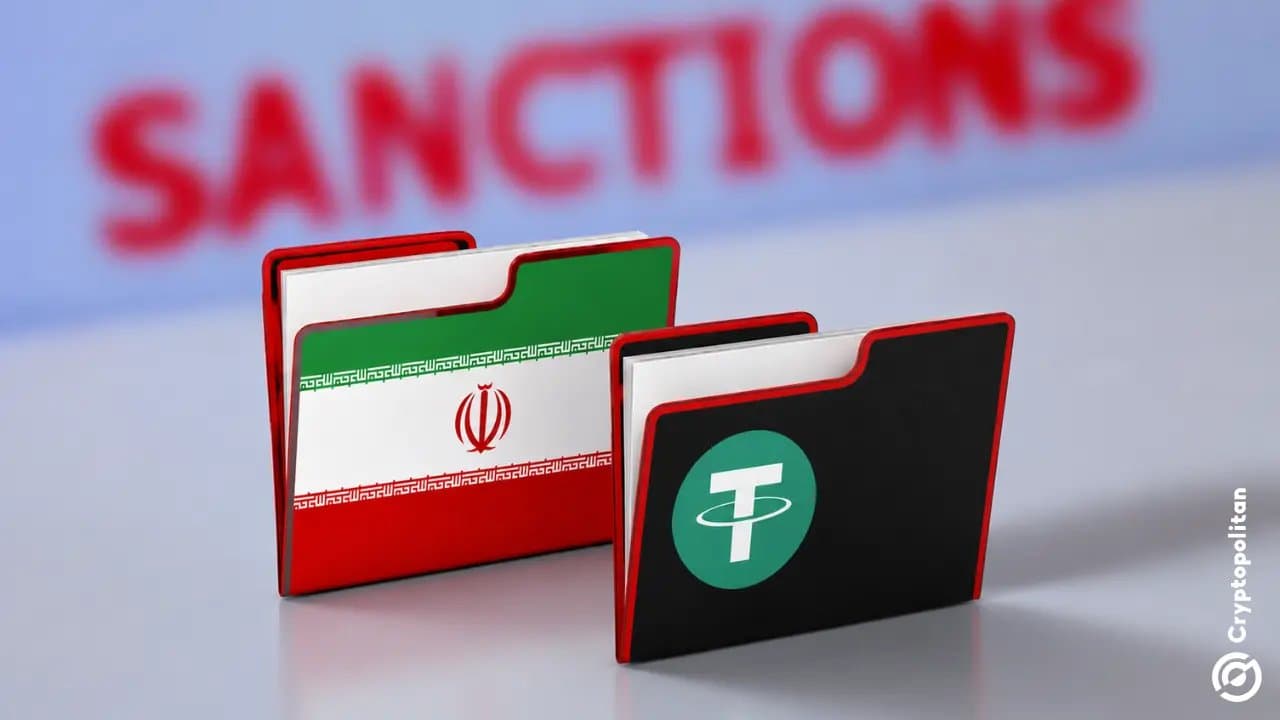
The recent freezing of approximately $131 million in USDT by Tether, in cooperation with the US Treasury, emphasizes the growing role of stablecoins in both facilitating and monitoring transactions in high-stakes geopolitical scenarios.
Unraveling the Transaction Dynamics
This action specifically targeted four Tron wallets associated with Iran's central bank, showcasing how US authorities use blockchain technology to enact sanctions. The inherent transparency and traceability of stablecoins like USDT allow for greater scrutiny, enabling regulators to act swiftly against potential illicit activities.
Scott Bessent, the US Treasury Secretary, reaffirmed the government's commitment to disrupt Iran’s financial infrastructure, underlining how digital assets can serve dual purposes: they facilitate everyday transactions and become tools for circumventing sanctions. With USDT's liquidity and global reach, it becomes attractive for regimes under sanctions.
The Broader Implications for the Market
While the seizure is a notable enforcement of existing sanctions, analysts caution that its impact on Iran's overall financial stability may be limited. Iran has a long history of adapting to sanctions, which might reduce the effectiveness of such measures. Nevertheless, the freezing of these assets marks a critical juncture in the use of stablecoins in global finance.
As authorities continue to monitor and restrict access to these funds, it raises questions about the future of stablecoins in international finance. Will this lead to stricter regulations? The answer will likely depend on the balance between facilitating innovation in digital currencies and preventing their misuse by sanctioned entities. The ongoing developments hint at a potential tightening of controls across the cryptocurrency space, affecting not only Iran but also other countries with similar sanctions regimes.
This material is informational and should not be considered financial advice.