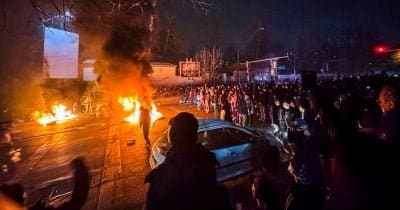
Recent events in Tehran have spotlighted the growing discontent within Iran, culminating in protests fueled by financial grievances related to truck purchasing rights. On July 13, agents of the Islamic Republic resorted to deploying tear gas against demonstrators, underscoring the government's commitment to maintaining order amidst widespread unrest.
Context of the Protests
The protests, sparked by financial losses connected to truck purchases from Tabriz-based companies, signify a broader wave of dissatisfaction rooted in Iran's faltering economy. This unrest is not an isolated incident; rather, it reflects escalating anti-regime sentiments that have been building over recent months. Citizens are increasingly vocal about their frustrations, which encompass issues ranging from economic mismanagement to political repression.
Government Response and Implications
The aggressive response of the Iranian government, particularly the use of tear gas against peaceful protesters, sends a clear message about the regime's stance towards dissent. President Masoud Pezeshkian's appeals for dialogue seem to clash with the reality on the ground, where the government opts for repression rather than engagement. This approach raises significant concerns regarding the potential for political instability in Iran.
Markets have begun to reflect these tensions, with rising fears of a leadership change amidst ongoing unrest. The perception of President Pezeshkian's ability to manage the situation is under scrutiny, and investors are likely analyzing the risks associated with a potential political transition.
Looking Ahead: What to Watch
As the situation in Iran develops, observers should pay close attention to the government's handling of protests and the possibility of escalated confrontations. Furthermore, any major shifts in leadership or policy could have far-reaching implications for both the domestic landscape and international relations.
Insight into the political climate is crucial, as fluctuations in investor sentiment may lead to volatility in markets connected to Iran. Monitoring these developments will be essential for understanding the trajectory of not only domestic policies but also regional dynamics that could influence economic conditions.
This material is informational and should not be taken as financial advice.