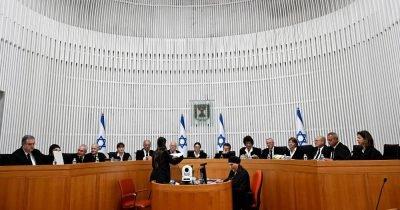
The recent ruling by Israel’s High Court of Justice to annul the state comptroller vote and mandate a rerun encapsulates a significant moment in the ongoing tussle between the judiciary and Prime Minister Benjamin Netanyahu's government. This decision arises from allegations regarding breaches of ballot secrecy aimed at facilitating the appointment of Netanyahu’s ally, Michael Rabello, as state comptroller. The implications of this ruling could resonate profoundly within Israeli politics, potentially altering the dynamics of power and governance.
Understanding the Implications of the Court Ruling
This ruling is a clear indicator of the escalating tensions between Netanyahu's administration and the judiciary, casting shadows over the stability of his government. The requirement for a new vote could leave the Comptroller's office, a crucial oversight mechanism, unoccupied for an extended period, thereby impacting effective governance and accountability within the state.
- The High Court's decision suggests increasing political instability tied to Netanyahu's leadership.
- Market assessments indicate a heightened likelihood of parliamentary dissolution amid a brewing constitutional crisis.
- The response of the Knesset, whether compliance or defiance of the ruling, may signal future political developments.
This environment raises questions not only about the future of Netanyahu’s leadership but also about the broader health of Israeli democracy during a time marked by considerable challenges and controversies surrounding governmental oversight.
Looking Ahead: Key Developments to Monitor
As the situation unfolds, analysts and political observers should closely watch how the Knesset responds to the High Court’s demand for a new vote. Any signs of compliance or resistance could influence market sentiments, particularly in relation to questions surrounding Netanyahu’s governance and the stability of the Israeli parliament. Additionally, shifts in political coalitions, as well as public stances taken by major political figures, could provide further insights into the potential outcomes of this political turmoil. Notably, the recent discourse around governance in Israel echoes trends observed in other jurisdictions, where political instability has led to broader market ramifications, highlighting the interconnectedness of governance and economic stability globally.
This material is for informational purposes only and should not be construed as financial advice.