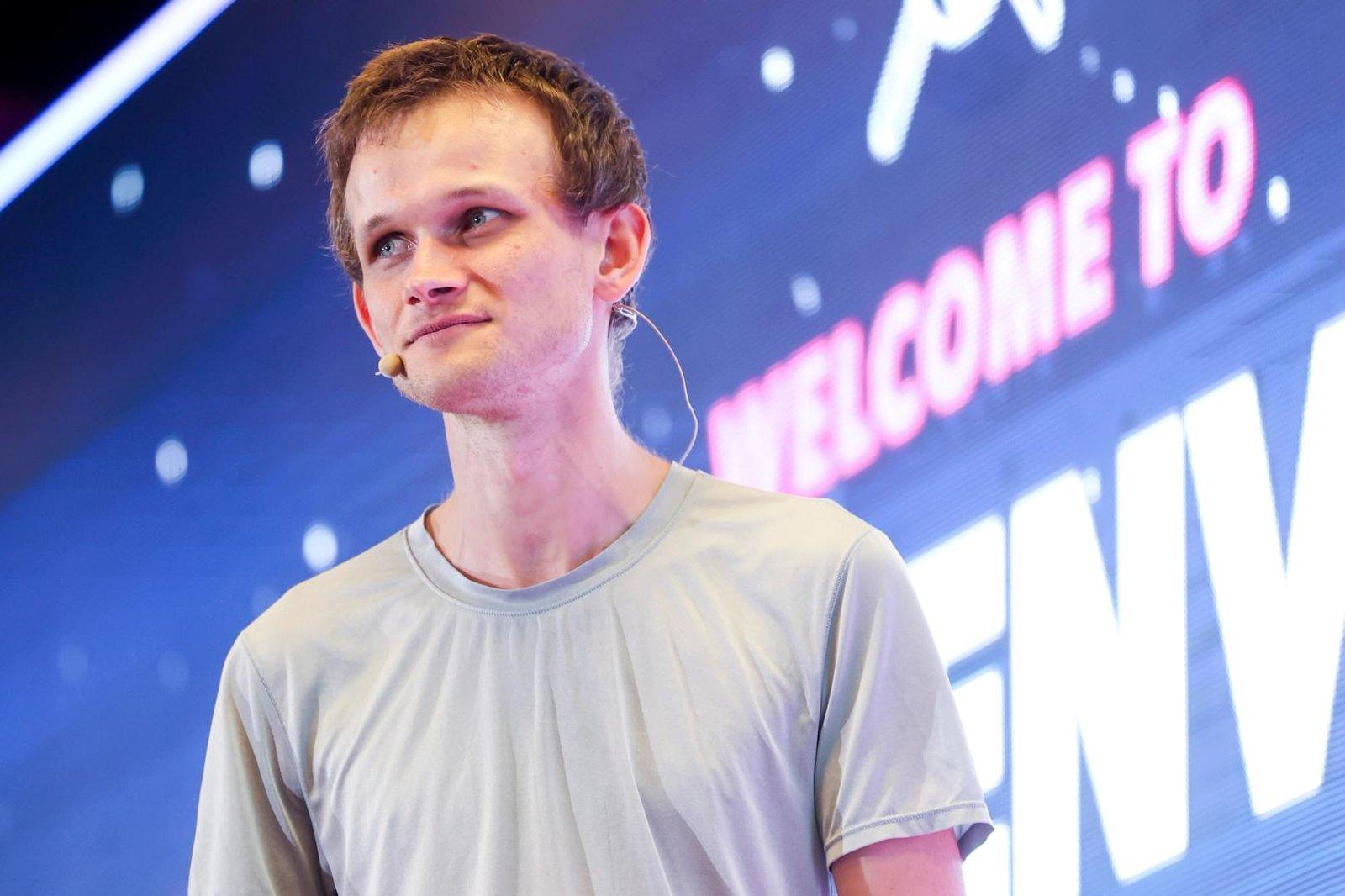
Vitalik Buterin, co-founder of Ethereum, recently unveiled the ambitious "Lean Ethereum" roadmap, which aims to overhaul the network's protocol over the next three to four years. This initiative represents the third significant iteration of Ethereum, following the pivotal Merge in 2022, underscoring the platform's commitment to continuous improvement and adaptation in a rapidly evolving market.
Buterin’s announcements came after a gathering of Ethereum researchers in Berlin, where discussions on the future of the network were intensified. This revised roadmap, dubbed the "strawmap," is notable for its potential to transform nearly every major facet of the protocol, thereby enhancing its efficiency and security without disrupting existing decentralized applications.
Key Changes and Their Implications
The Lean Ethereum roadmap introduces several critical upgrades. One of the most significant changes is the replacement of direct transaction re-execution with verification using recursive STARKs, a cryptographic proof system that Buterin anticipates will become integral to the protocol's architecture. This shift promises to enhance scalability by ensuring faster transaction confirmations while maintaining security.
Additional changes include the transition to quantum-safe cryptography, decoupling the blockchain from finality to enable quicker clearing of transactions, and rethinking client architecture. The implications of these adjustments are profound, particularly as Ethereum navigates the ever-present threat of quantum computing, which threatens existing cryptographic measures.
Enhancing Privacy and Safety
Importantly, Buterin emphasized that concerns regarding quantum safety have escalated significantly. The implementation of quantum-safe designs for blob data temporary data essential for layer-2 networks has become urgent. This proactive approach is crucial as it sets a foundation for future-proofing the network against potential vulnerabilities. This focus aligns with ongoing Ethereum Foundation efforts, such as establishing a post-quantum key registry.
Moreover, Buterin highlighted a paradigm shift regarding privacy, asserting that privacy is no longer an afterthought in Ethereum's development. Instead, it is a first-class goal. As new features like Frames and mempool designs are considered, the protocol's compliance with rigorous privacy standards will be pivotal for gaining user trust and broader adoption.
Future Directions
Another noteworthy aspect of Buterin’s strategy is the ongoing formal verification efforts, which aim to define protocol components as bytecode in a specific programming language. This step could bolster the network's reliability and transparency, vital for attracting institutional investors and ensuring long-term viability.
As Ethereum moves forward with the Lean roadmap, the broader implications for the crypto ecosystem are substantial. Enhanced scalability, security, and privacy could set the stage for Ethereum to maintain its leadership position amidst increasing competition from emerging blockchain platforms. Investors and stakeholders should closely monitor these developments, as they will likely influence market dynamics and investor sentiment significantly.