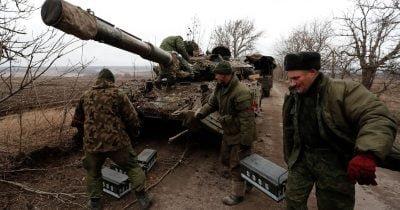
The recent reclassification of the Ukraine conflict by the Kremlin from a "special military operation" to a "real war" marks a significant rhetorical shift that merits close scrutiny. This change comes in tandem with an escalation of hostilities, particularly in Kyiv, where striking military actions have resulted in the highest civilian casualties observed this year.
Since the onset of the full-scale invasion in February 2022, Russian forces have maintained control over roughly 20% of Ukrainian territory. The Kremlin's new nomenclature not only underscores the gravity of the situation but also aligns with an uptick in Russian military activities, a development that could signal broader implications for the conflict and regional stability.
Strategic Shifts on the Horizon
This acknowledgment of a "real war" suggests that Russia may be preparing for a more formalized military strategy in Ukraine, possibly involving further territorial ambitions. With intensified military assaults on Kyiv, market observers are noting a burgeoning expectation of further Russian advances, particularly towards strategic locations like Sloviansk by the end of 2026.
Such developments could create an environment where investors need to recalibrate their assessments of the risk dynamics in the region. The shift in rhetoric may not only affect military tactics but also influence the geopolitical landscape as Western nations reassess their support for Ukraine amidst the escalating violence.
Market Reactions and Future Implications
Current market reflections are beginning to price in the potential for an increased likelihood of further Russian expansion into Ukraine, indicating a cautious optimism among some investors. The heightened expectations of military activity are likely to weigh on market sentiment, particularly regarding stability in Eastern Europe.
Furthermore, any subsequent escalations, including additional military support or strategic declarations from Western allies, will be crucial in shaping market perceptions. Investors should remain vigilant not only for battlefield developments but also for diplomatic initiatives, such as potential ceasefire talks that could abruptly change the current trajectory.
In summary, the Kremlin's reclassification of the Ukraine conflict signifies a pivotal moment that could alter the stakes for both military engagement and investor sentiment. As the situation unfolds, the interplay between military actions and geopolitical strategies will remain critical in shaping future market dynamics in the region.