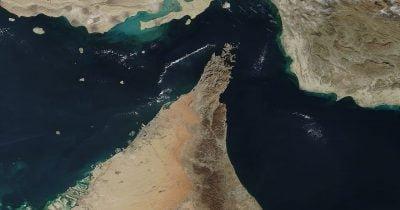
The recent escalation in the ongoing military conflict between an Israel-US coalition and Iran has serious implications for global oil supply and economic stability. The Iranian regime's decision to block the Strait of Hormuz one of the world’s crucial maritime corridors signals a significant deterioration in geopolitical relations, raising alarms about the future supply of oil on a global scale.
Geopolitical Tensions Escalate
This blockade directly threatens a substantial percentage of the world’s oil shipments, leading to increased volatility in global markets. Such interruptions can trigger a fuel crisis, affecting not only energy prices but potentially extending to broader inflationary pressures worldwide.
Market Reactions and Future Forecasts
Market reactions indicate a growing sentiment among investors regarding the potential instability of the Iranian regime itself. Current indicators show a modest rise in expectations that the regime may not withstand the pressures weighing upon it by the end of 2026. Analysts are observing several factors:
- The likelihood of mass protests within Iran.
- Possible defections within the leadership ranks or military.
- The response of major oil-importing nations, which could drastically change the momentum in international markets.
The situation is fluid and could evolve rapidly based on both Iran's internal dynamics and external military engagement from the US-Israeli coalition.
What to Monitor
Investors should keep a close watch on the developments concerning the Strait of Hormuz. Additional retaliatory measures by Iran or escalated military actions could signal increasingly risky environments for global oil supply chains. The international community’s reaction, particularly from countries highly dependent on Middle Eastern oil, will also play a critical role in shaping market expectations regarding the stability of the Iranian regime.
In conclusion, the unfolding situation in the Middle East warrants careful monitoring, as it holds significant consequences not only for regional stability but also for the world’s energy landscape and macroeconomic conditions.