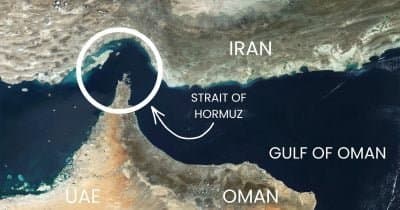
The European Union has recently urged for the immediate reopening of the Strait of Hormuz, a critical maritime passage that facilitates a significant portion of the world's oil supply. This demand emerges against a backdrop of escalating tensions between the United States and Iran, which have led to the strait’s closure, severely disrupting oil and gas shipments. The geopolitical landscape surrounding this strait is particularly sensitive, as any prolonged disruption can dramatically influence global oil prices.
Concerns regarding the potential spike in oil prices have escalated, with projections suggesting Brent crude could soar to $200 per barrel under adverse conditions. The EU's call for reopening the strait aligns with a U.S.-Iran memorandum that aims to resume commercial navigation and lift the U.S. naval blockade by July 19, 2026. This timeline not only reflects the urgency of the situation but also highlights the interconnectedness of geopolitical actions and market responses.
Geopolitical Implications for Oil Supply
The EU's stance may signal a potential easing of tensions in the region, which could foster a more stable environment for energy supply chains. A successful implementation of the U.S.-Iran agreement could mean a stabilization of oil prices, alleviating fears that have been driving speculative trading. Market analysts are currently pricing in a low probability of WTI Crude Oil hitting $130 in July 2026, with only a 0.7% likelihood assigned to this outcome. The implication here is clear: while the market remains cautious, optimism about the reopening of the Strait of Hormuz could exert downward pressure on oil prices.
Monitoring the Developments
Key dates on the calendar, particularly July 19, 2026, will serve as critical markers for stakeholders in the energy sector. Observers should closely monitor developments surrounding the confirmation of the strait's reopening and any statements from U.S., Iranian, and EU officials. The interplay of these diplomatic and military maneuvers will be crucial in shaping market expectations for future oil pricing scenarios. Additionally, any signs of escalated tensions could just as quickly reverse any gains made from a potential resolution, leading to volatile market conditions.
This material is for informational purposes only and does not constitute financial advice.