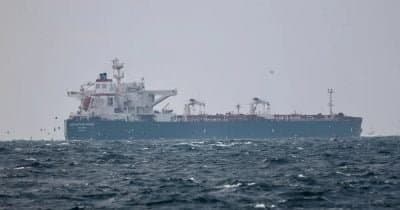
Iranian-linked tankers are currently exhibiting unpredictable navigation patterns in the Gulf of Oman and the Arabian Sea, which has raised eyebrows in the context of escalating U.S.-Iran tensions. Recent reports indicate that these vessels are frequently altering their routes, engaging in maneuvers reminiscent of evading naval forces, particularly under the backdrop of a U.S.-imposed blockade aimed at curbing Iranian activities.
Current Situation Analysis
The erratic behavior of the two tankers, now subject to U.S. sanctions, appears to reflect strategic attempts to avoid interception by U.S. naval forces. This development coincides with increased military presence from U.S. CENTCOM in the Strait of Hormuz, which has become a critical flashpoint following Iran's recent assaults on commercial shipping.
The implications of these movements are substantial. For instance, market sentiment regarding oil traffic normalization in the Strait of Hormuz has considerably shifted, with analysts projecting a reduced likelihood of stabilization by the end of August. This suggests that traders and investors should brace for potential disruptions in oil supply, which could ripple through global markets.
Potential Consequences and Market Reactions
Investors are advised to keep a close eye on official communications from Iranian leadership, as any statements could significantly modify market perceptions regarding the potential for diplomatic resolution. Furthermore, a potential joint press conference between U.S. and Iranian officials could either calm or inflame existing tensions, thereby influencing oil prices and broader market dynamics.
Furthermore, any escalation of U.S. military actions or retaliatory measures from Iran could drastically alter the stability outlook in the region. With such volatility, market participants may see fluctuations in oil prices and could even consider alternative energy investments as a hedge against geopolitical risks. As such, the ongoing situation in the Gulf is crucial for stakeholders across various sectors, particularly in trading and energy supply chains.
This material is for informational purposes only and should not be construed as financial advice.