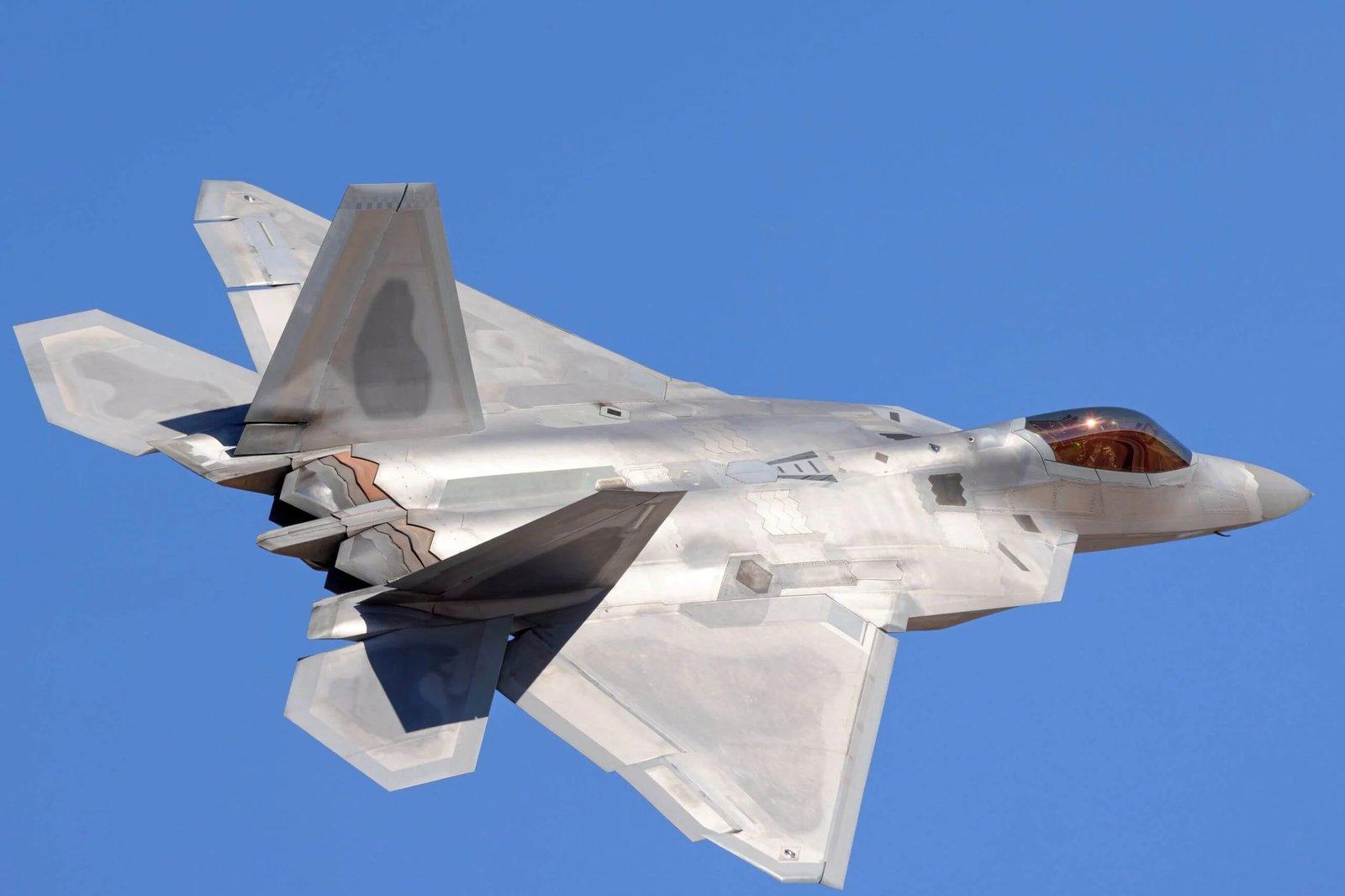
The stocks of major defense contractors Northrop Grumman (NOC) and Lockheed Martin (LMT) experienced notable increases following former President Donald Trump's decision to terminate the ceasefire with Iran. This geopolitical shift not only impacts the defense sector but also has broader implications for market dynamics.
Why This Shift Matters to Investors
The abrupt end of the ceasefire signifies heightened military tensions, which traditionally bolster defense stocks like Northrop Grumman and Lockheed Martin. Investors often turn to defense stocks as secure investments during geopolitical instability, causing their share prices to rise in such circumstances. The recent movements in these stocks illustrate this trend, signaling a possible resurgence of interest in the defense sector as a safe haven amidst market volatility.
- Northrop Grumman and Lockheed Martin stocks rose significantly.
- Oil prices surpassed $74, highlighting increased demand amid geopolitical unrest.
- S&P 500 futures dropped nearly 1%, showcasing broader market apprehension.
Consequences for Market Dynamics
The surge in oil prices and the decline in the S&P 500 futures indicate a market reacting to heightened risks associated with the Iranian conflict. Investors might seek to reallocate their portfolios to hedge against vulnerabilities by focusing on sectors that typically thrive during turbulent times, such as defense and energy. This trend can lead to a divergence in stock performance across sectors, influencing asset allocation strategies in the coming months.
Looking Ahead: Monitoring the Situation
Market participants should stay vigilant regarding developments in U.S.-Iran relations and their impact on defense spending. Additionally, upcoming earnings reports from defense firms may provide further insights into how these geopolitical shifts are influencing business outlooks and investor sentiment. As the situation evolves, continual assessment will be essential for navigating potential investment strategies that capitalize on the increased focus on defense spending.
This material is for informational purposes only and does not constitute financial advice.