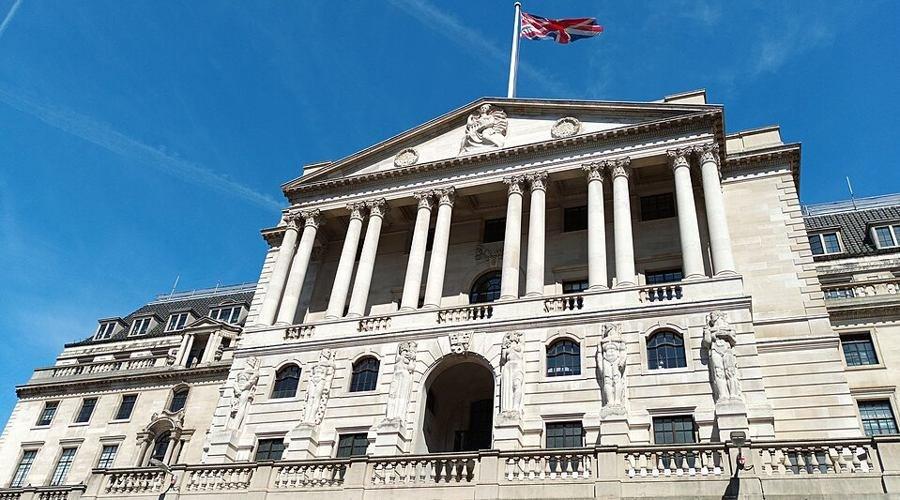
The Bank of England (BoE) has recently made a notable adjustment to its stablecoin regulatory framework, replacing the previously proposed individual holding limits with a more flexible aggregate issuance cap. This shift not only alleviates a significant barrier for investors looking to engage with pound-backed stablecoins but also suggests a broader acceptance of digital assets within the UK's financial system.
Understanding the Changes
Previously, individual stablecoin holdings were set to be capped at £20,000, while business holdings were limited to £10 million per coin. However, under the new proposal, the BoE has removed these individual limits in favor of a temporary aggregate limit of £40 billion for systemic stablecoins. This restructured approach simplifies the operational landscape for brokers, exchanges, and liquidity providers, allowing for larger transactions without the cumbersome task of tracking multiple accounts against individual limits.
Implications for Market Dynamics
As industry stakeholders have expressed, questions linger regarding the duration of this temporary cap and the potential for stablecoins to be utilized in core wholesale settlements. Katie Harries, Coinbase’s European policy lead, highlighted that the success of the UK's ambition to become a leader in tokenization may hinge on these answers. Without the ability to employ stablecoins in essential market transactions, the efficacy and attractiveness of the proposal could be diminished.
Enhancing Market Viability
The removal of individual caps enhances the economic viability of issuing pound-backed stablecoins. By reducing reserve requirements specifically decreasing the proportion of non-interest-bearing central bank deposits required from 40% to 30% the BoE allows issuers to allocate more of their reserves into interest-earning assets. This reform is particularly important as the pound-backed stablecoin market currently constitutes less than 0.5% of the global stablecoin landscape, indicating significant growth potential if these new regulations can foster a more robust infrastructure.
Potential Outcomes for Investors and the Market
This change represents a critical milestone in the UK's approach to digital currencies, positioning the country between US and EU regulatory frameworks. While the US is actively promoting the development of payment stablecoins, the EU is grappling with its own regulatory hurdles. As the BoE moves to create a more conducive environment for stablecoins, it may enhance London's role as a global fintech hub.
In summary, this regulatory evolution by the Bank of England may not only encourage innovation and investment within the UK’s cryptocurrency market but also signal a thoughtful approach to balancing regulation with market growth, which could have lasting positive effects for investors looking to enter or expand their presence in the stablecoin arena.