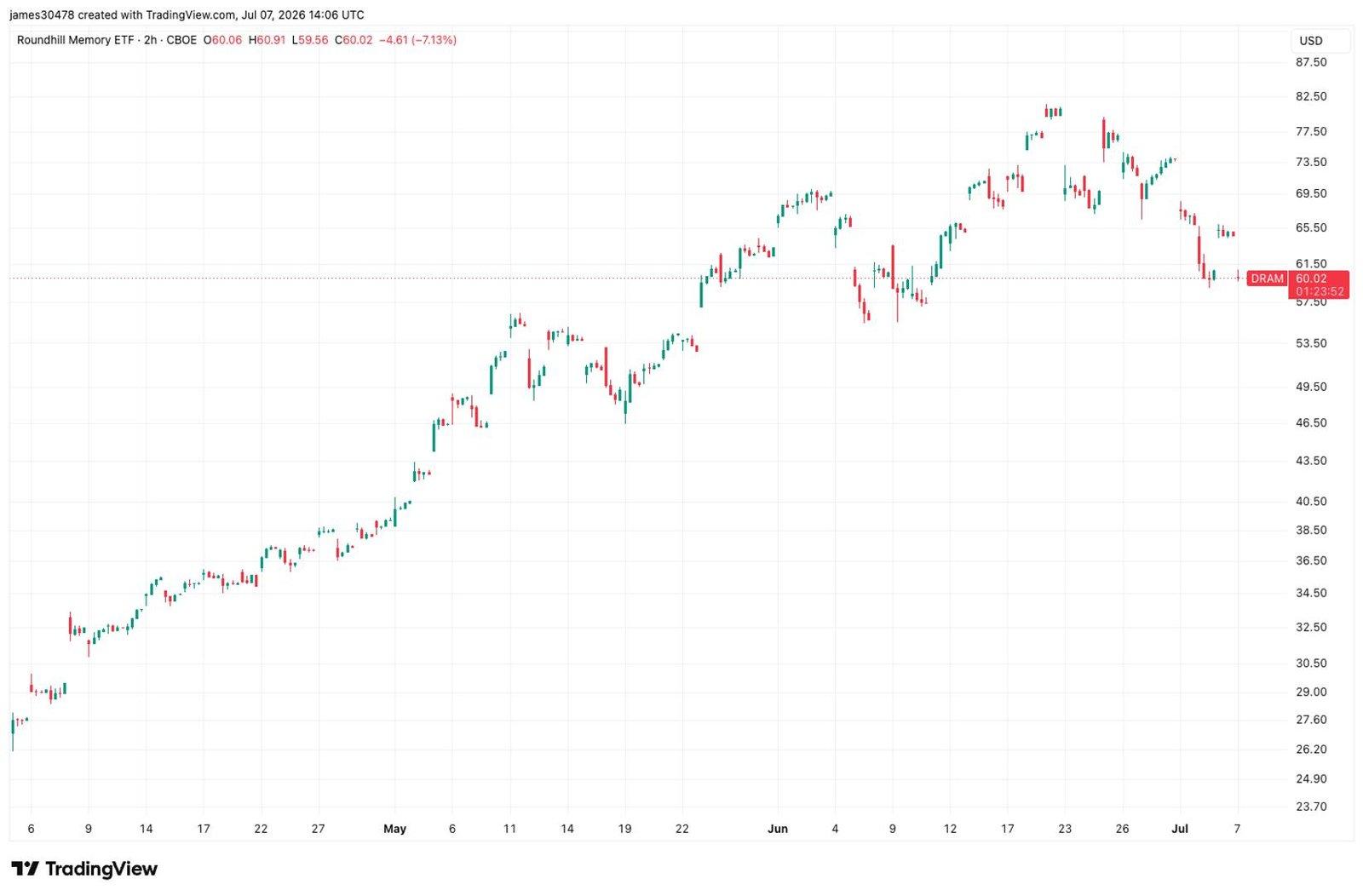
The current sentiment surrounding the AI trade is beginning to shift, as recent financial performance from leading semiconductor companies raises critical questions about the sustainability of the AI infrastructure boom. Investors are experiencing a wake-up call as the market reassesses expectations following record earnings but disappointing revenue forecasts.
Understanding the Shift in AI Market Dynamics
The news that Samsung Electronics reported a remarkable quarterly profit, yet saw its shares tumble nearly 7%, encapsulates the mounting pressure on AI chipmakers. This stark contrast raises a pivotal conversation among investors regarding the sustainability of spending within the AI sector. Key takeaways include:
- Samsung's shares fell nearly 7% despite record second-quarter earnings.
- SK Hynix has dropped 25% from its all-time high ahead of its U.S. listing.
- The AI chip trade is under scrutiny as hyperscalers signal potential slowdowns in their infrastructure investments.
These developments suggest that the optimism surrounding AI infrastructure may have been disproportionate to the actual demand and utility of these products in the market. As companies such as Zhipu in China make strides towards more cost-effective AI chips, U.S. suppliers may find their competitive edge less compelling in the face of emerging domestic solutions.
Impact on Broader Investment Patterns
The far-reaching implications of this shift are not confined to the semiconductor sector alone. The broader market, particularly in tech-heavy domains, may also face volatility. Should investor confidence continue to wane around AI-centered investments, there may be a capital rotation back into alternative assets, including cryptocurrencies. Over the past year, the performance of bitcoin and related crypto markets has felt the weight of the AI boom. Therefore, a trend away from AI might open the door for renewed interest in digital assets.
Looking Ahead: What to Monitor
As the market recalibrates its expectations, several factors warrant close attention:
- The performance of upcoming earnings reports from major semiconductor firms.
- The evolving landscape of chip production, particularly regarding emerging competitors like China's Zhipu.
- Investor sentiment shifts and their resultant effects on the allocations between AI and other sectors.
In conclusion, the intersection of falling AI stock prices and the search for more sustainable tech solutions suggests a critical inflection point for investors. The future trajectory of both AI and broader financial markets may hinge on the principles of efficiency and cost management.
This material is for informational purposes only and should not be considered financial advice.