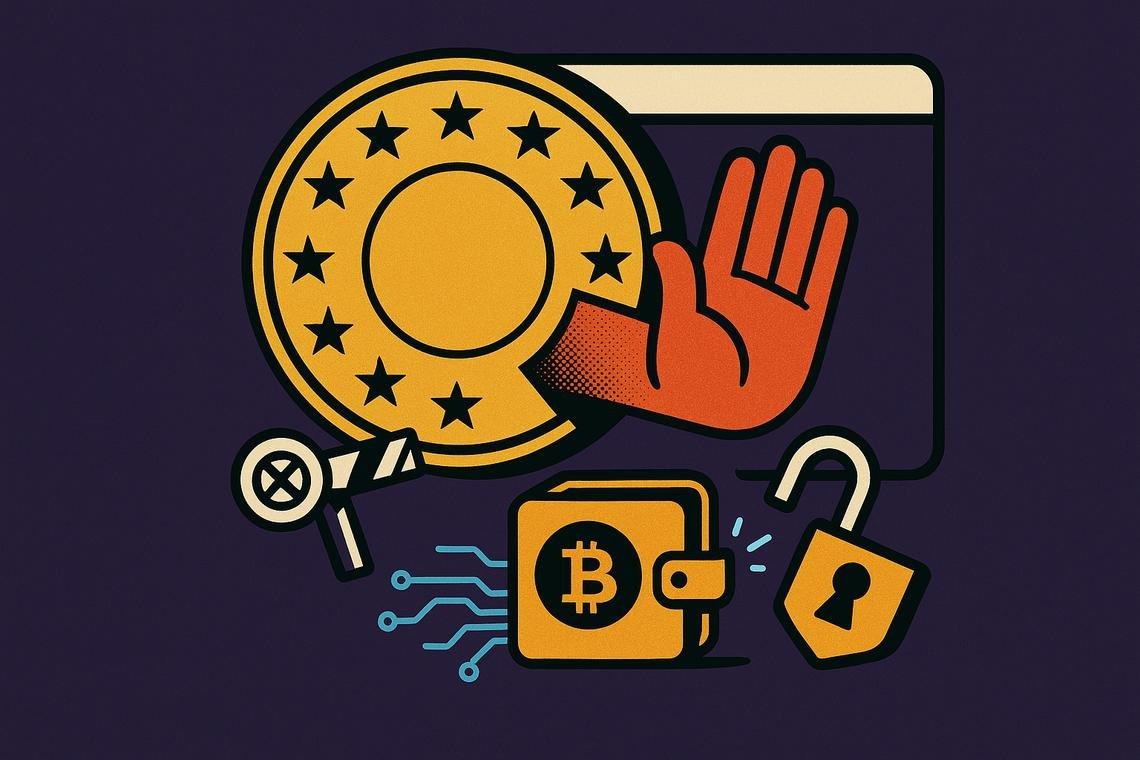
The recent implementation of the EU crypto regulation under the Markets in Crypto-Assets (MiCA) framework has catalyzed a significant shift in the way millions of users in Europe manage their cryptocurrencies. With MiCA becoming fully enforceable on July 1, 2026, the regulatory landscape now mandates that crypto firms operating within the EU obtain a Crypto-Asset Service Provider (CASP) license to continue offering their services. This development raises pressing questions for users about where and how their assets are stored, as well as who ultimately controls them.
Why This Regulation Matters for Crypto Users
The MiCA regulation is pivotal for several reasons. Firstly, it introduces a unified regulatory framework across the 27 EU nations, effectively replacing a patchwork of national regulations that once allowed certain exchanges to operate in grey areas. This will likely lead to improved consumer protections and transparency in the cryptocurrency market.
- MiCA is enforceable as of July 1, 2026, requiring all crypto firms in the EU to have a CASP license.
- Firms without this license must cease operations or risk facing penalties.
- Users may face service restrictions or complete loss of access depending on their exchange's licensing status.
However, while the intention behind MiCA is to promote responsible financial regulation, experts have raised concerns regarding the potential market impacts. The high cost of compliance may result in the concentration of market power among larger firms, pushing smaller competitors out of the market and reducing user choice.
Choosing Self-Custody in a New Regulatory Environment
In response to these new regulations, BNB Chain has stepped forward with a comprehensive guide to assist users in transitioning from centralized exchanges to self-custody wallets. This guide emphasizes the importance of key security practices such as wallet selection, test transfers, and understanding recovery phrases when migrating assets. Given the recent delistings of stablecoins and platform restrictions linked to exchanges like Binance, the need for self-custody options becomes increasingly urgent for European users.
Looking Ahead: Market Implications and User Considerations
The implementation of MiCA will undoubtedly transform the European crypto landscape. Stakeholders should be mindful of potential market consolidations and evaluate how these shifts affect their digital asset strategies. As compliance costs rise, the viability of smaller startups could be at risk, inviting further scrutiny over the sustainability of the current regulatory approach. Users may encounter limitations in accessing their preferred platforms, making it crucial to stay informed about the evolving regulatory environment.
This material is for informational purposes only and should not be considered financial advice.